Website Marketing Performance Gets Better When Every Channel Proves Its Job
Website Marketing Performance Gets Better When Every Channel Proves Its Job

Marketing looks busy long before it looks effective. A business can publish posts, run ads, send newsletters, build landing pages, and still struggle to explain which actions are creating real opportunities. Website marketing performance gives that work a shared scoreboard. It connects traffic quality, lead behavior, conversion results, and spending decisions so the team can improve the website.
The useful question is not whether a channel produced activity. The useful question is what each channel helped a visitor do. Evaluating campaign-driven website traffic shows whether paid, social, email, referral, and search visitors arrive with the right intent. Tracking website-generated leads shows whether those visits become qualified inquiries. Measuring conversion performance regularly shows whether pages keep improving after launch. Optimizing marketing investments then becomes a disciplined review of evidence, not a reaction to the loudest campaign.
Build the scorecard before judging the campaign
Website marketing performance should begin with a short scorecard that everyone understands. Separate awareness, consideration, lead capture, and sale readiness. A newsletter click may be excellent if the goal is to bring existing subscribers back to a resource, while the same click may be weak if the goal is a consultation request. Evaluating campaign-driven website traffic only works when the campaign goal is written down before the report is opened.
Use the Strikingly campaign landing page guide as a useful reminder that a landing page should continue the promise made by the ad, email, or social post. That promise is also the first measurement boundary. If the ad promises a pricing checklist but the page highlights a broad company story, tracking website-generated leads will be confusing because the visitor received a different offer from the one they clicked.Performance questionWhat to reviewDecision it supportsAre the right visitors arriving?Source, campaign, device, landing page, and engagement depthEvaluating campaign-driven website traffic before expanding reachAre visitors becoming useful inquiries?Form completions, request details, audience tags, and follow-up qualityTracking website-generated leads before increasing spendAre page changes helping?Conversion rate, CTA clicks, completed forms, and purchase or booking intentMeasuring conversion performance regularly before redesigning again
Keep the scorecard small enough to review weekly. Website marketing performance becomes useful when the team can explain what changed, why it matters, and what will be tested next. Optimizing marketing investments is easier when every metric has a decision attached to it.
Separate traffic volume from traffic intent
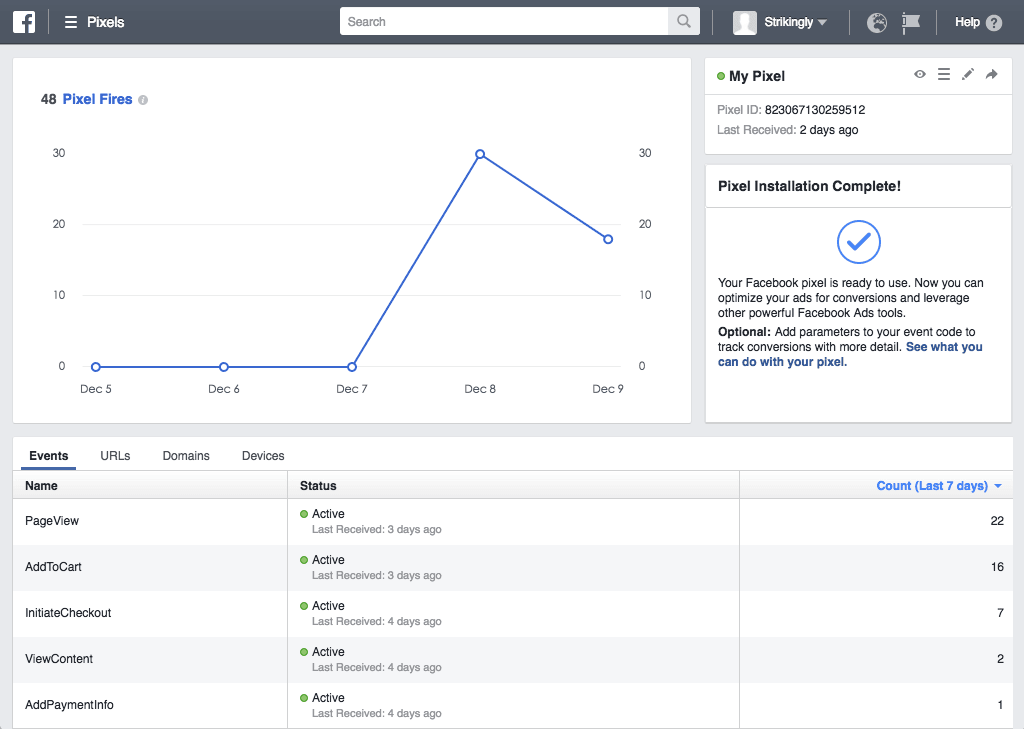
Strikingly Facebook Pixel Setup Screen
A traffic spike can hide a weak campaign. Evaluating campaign-driven website traffic means reading behavior after the click, not celebrating sessions alone. Look at where visitors entered, whether they stayed with the promised topic, which page they reached next, and whether their actions matched the campaign stage. The Strikingly built-in analytics view can help teams watch visits, sources, and page activity without starting from a complicated reporting setup.
For paid campaigns, campaign traffic should be reviewed by intent segment. A broad awareness audience may read a guide and leave; that can still help website marketing performance if the page earns engaged reading and later return visits. A retargeting audience, however, should be compared against a clearer action such as a demo request, quote form, or product collection visit. Evaluating campaign-driven website traffic becomes more honest when each audience is judged against the job it was hired to do.
Use Google Analytics with Strikingly when the team needs deeper campaign attribution, cross-channel reporting, or event-based analysis. If paid social is important, the Facebook Pixel installation guide can support retargeting and conversion tracking. These tools are only useful when campaign names, landing pages, and offers stay consistent enough for evaluating campaign-driven website traffic and measuring conversion performance regularly across comparable campaigns.
Read lead quality before celebrating form totals

Strikingly Audience Contacts Screen
Tracking website-generated leads should include more than a count of submissions. A form can produce many weak leads if it attracts people who cannot buy, asks for too little context, or sends every visitor into the same follow-up. Website marketing performance improves when the website captures enough information to identify the next best response without making the form feel heavy.
Use Strikingly custom forms to ask for the few details that separate a qualified inquiry from a casual question. Useful fields might cover budget range, deadline, company size, project type, category interest, quantity, or intended use. Tracking website-generated leads becomes more useful when the form explains why those details are requested and keeps the next step clear.
Use exported form responses, Audience contacts, and automated emails to site audience to keep source, interest, and response status visible. Tracking website-generated leads is strongest when sales or support can see which page created the inquiry and what the visitor expected from the offer.
Review conversions on a steady rhythm
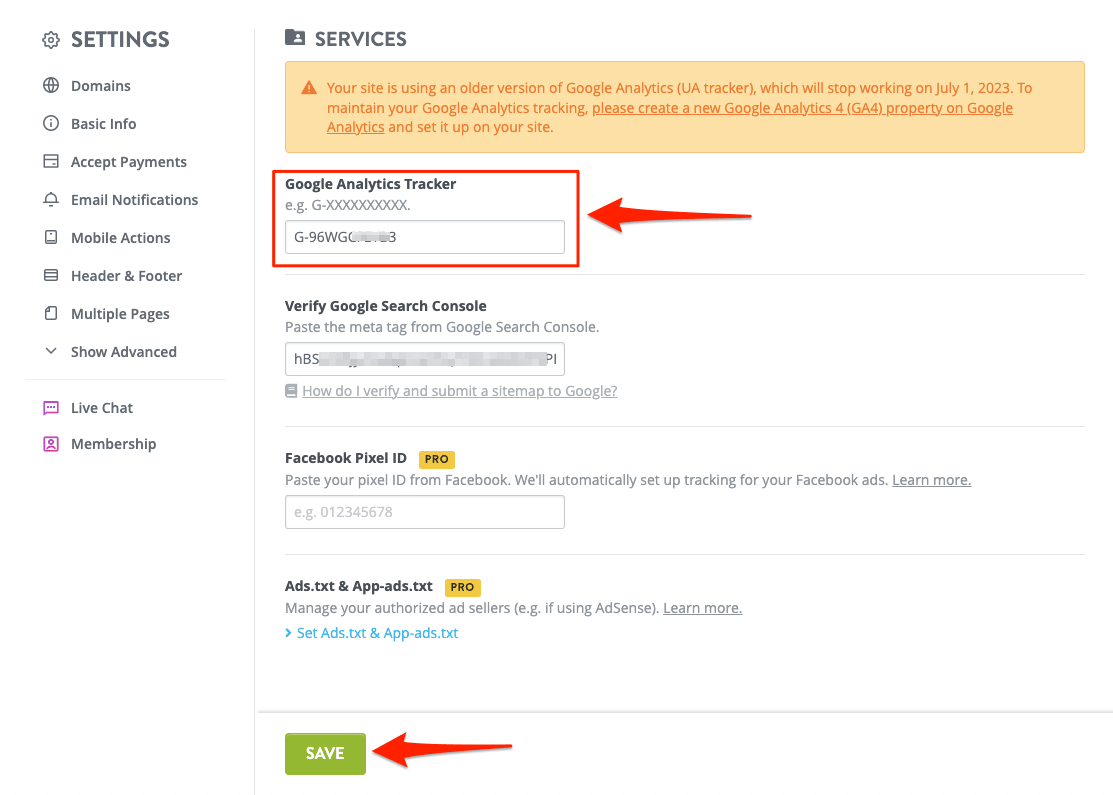
Strikingly Google Analytics Setup
Measuring conversion performance regularly prevents the website from becoming a set of old campaign pages nobody wants to touch. Weekly checks can catch broken expectations quickly: a strong source may be sending traffic to a weak page, a clear page may have a form that asks too much, or a good offer may be hidden below unrelated content. Website marketing performance needs a review rhythm because visitor behavior changes as campaigns, seasons, and offers change.
Do not turn every report into a redesign. Measuring conversion performance regularly is most useful when it points to small, testable changes: revise a headline to match the ad, move proof closer to the CTA, shorten a form, clarify pricing language, or create a campaign-specific landing page. The Strikingly website marketing guide connects traffic tactics with conversion work, which is the right mindset for steady improvement.
Measure by page role. A blog article may convert by sending readers to a guide, a service page may convert through an inquiry, and a store page may convert through cart activity. Measuring conversion performance regularly should compare each page against its own purpose. That habit makes optimizing marketing investments more practical because the team can improve the page that handles the money moment instead of blaming the channel too early.
Make budget decisions from patterns, not one lucky week
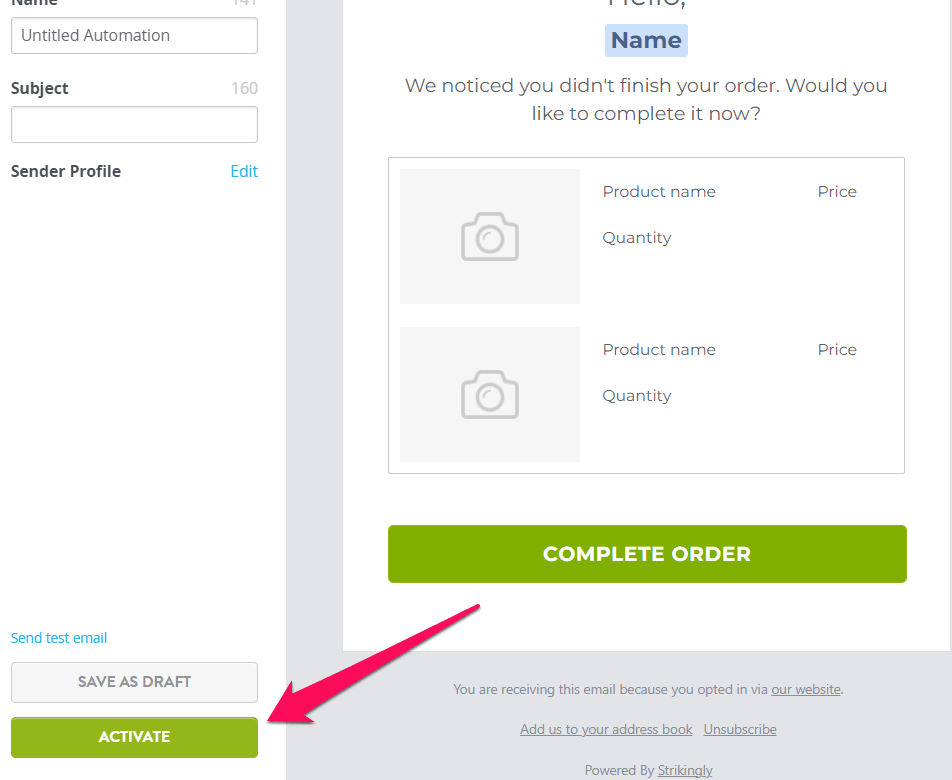
Strikingly Automated Email Setup
Optimizing marketing investments means comparing channels by contribution, not preference. A channel with cheaper clicks may waste budget if visitors leave quickly and submit weak inquiries. A channel with higher costs may deserve more support if it creates qualified leads, shorter sales conversations, or repeat purchases. Website marketing performance should make these tradeoffs visible enough for a calm budget conversation.
Look for a three-part pattern before moving budget: evaluating campaign-driven website traffic shows that the audience is relevant, tracking website-generated leads shows that inquiries are usable, and measuring conversion performance regularly shows that the landing page is not holding the channel back. When those three signals agree, optimizing marketing investments has a stronger basis than cost per click alone.
If results look promising but thin, keep evaluating campaign-driven website traffic for another cycle while measuring conversion performance regularly against the same offer. Optimizing marketing investments should wait until the pattern survives a normal week and a noisy week; optimizing marketing investments too early can reward luck, while optimizing marketing investments too late can starve a channel that is ready to scale.
A monthly investment review
- List the campaigns that sent meaningful traffic, not just the campaigns that spent money.
- Compare lead quality by source, offer, and landing page before changing budgets.
- Choose one page improvement and one channel decision for the next month.
- Record the reason for the decision so future website marketing performance reviews can learn from it.
Use Newsletters when owned audience updates are part of the channel mix, and connect those sends to clear landing pages instead of sending every subscriber to the homepage. Use the Analytics and SEO Help Center section when a team needs to expand reporting basics. Optimizing marketing investments is not only about spending more; it is also about reducing waste, reusing strong pages, and giving each campaign a better handoff.
Turn the report into the next action
A useful report should end with a change someone can make. Website marketing performance improves when reporting produces a visible backlog: fix the campaign-page mismatch, add proof near the form, split a broad audience, rewrite a CTA, improve a slow-loading image, or create a separate page for a high-intent offer. Evaluating campaign-driven website traffic should point to where intent is strong or weak. Tracking website-generated leads should point to which inquiry paths deserve attention.
Keep the language of the review specific. Instead of saying "social is down," say that social visitors from a certain campaign reached the page but did not open the pricing section. Instead of saying "forms are weak," say that tracking website-generated leads shows many submissions without project details. Instead of saying "the page failed," say that measuring conversion performance regularly shows the new CTA improved clicks but did not improve qualified inquiries.
Website marketing performance gets stronger when each round of learning narrows the next bet. Evaluating campaign-driven website traffic protects the business from buying empty attention. Tracking website-generated leads protects the team from celebrating unqualified activity. Measuring conversion performance regularly keeps pages accountable after they launch. Optimizing marketing investments gives the whole process a business purpose: spend more on what helps customers act, spend less on what only looks busy, and keep improving the website where the evidence is clearest.
