Top Tips for Website Content Optimization to Boost SEO
Top Tips for Website Content Optimization to Boost SEO

In today’s fast-paced online world, website content optimization is more than just a buzzword — it’s a necessity. Keeping your website fresh and relevant can significantly impact how visitors perceive your brand and how search engines rank you. Improving outdated service pages is a simple yet powerful way to boost your site’s performance and attract more customers.
When you focus on strengthening topic relevance across articles, you create a cohesive experience that guides visitors through your offerings seamlessly. This approach not only helps in removing unnecessary website copy that might clutter your pages but also ensures your content aligns with visitor intent. By doing so, you make sure every piece of content works toward engaging users and improving your SEO results.
Remember, the goal of website content optimization is to make your site as user-friendly and discoverable as possible. Updating old pages with fresh information and relevant keywords can breathe new life into them while supporting broader efforts like strengthening topic relevance across articles. When done right, these strategies turn an average website into a powerful tool for growth.
Conduct a Content Audit

Quantum Template from Strikingly
Performing a thorough content audit is the first step toward effective website content optimization. It helps you spot where your website might be falling behind, especially when it comes to improving outdated service pages. During this process, you’ll identify areas where strengthening topic relevance across articles can make your site more cohesive and engaging for visitors.
Identify Content Gaps and Opportunities
Start by reviewing all your existing pages to see what’s missing or underdeveloped. This is a great chance to find opportunities for improving outdated service pages by adding fresh information or new angles that better align with what your audience is searching for. Filling these gaps not only boosts your overall content quality but also enhances your chances of ranking higher in search results through better website content optimization.
Analyze Performance of Existing Pages
Next, dive into analytics to see how each page performs in terms of traffic, engagement, and conversions. If some pages are underperforming, it could be time to refresh and improve outdated service pages by updating their content and making them more relevant to current visitor needs. Removing unnecessary or redundant website copy is also essential here; cluttered pages can confuse visitors and hurt your SEO efforts.
Remove Unnecessary or Redundant Website Copy
Cleaning up your site involves removing unnecessary website copy that no longer serves a purpose or adds value. This not only streamlines the user experience but also helps you focus on creating clearer messaging that aligns with visitor intent. When you eliminate redundant content, you free up space for more targeted keywords and stronger topic relevance across articles—both crucial for boosting SEO performance.
Refresh and Improve Outdated Service Pages
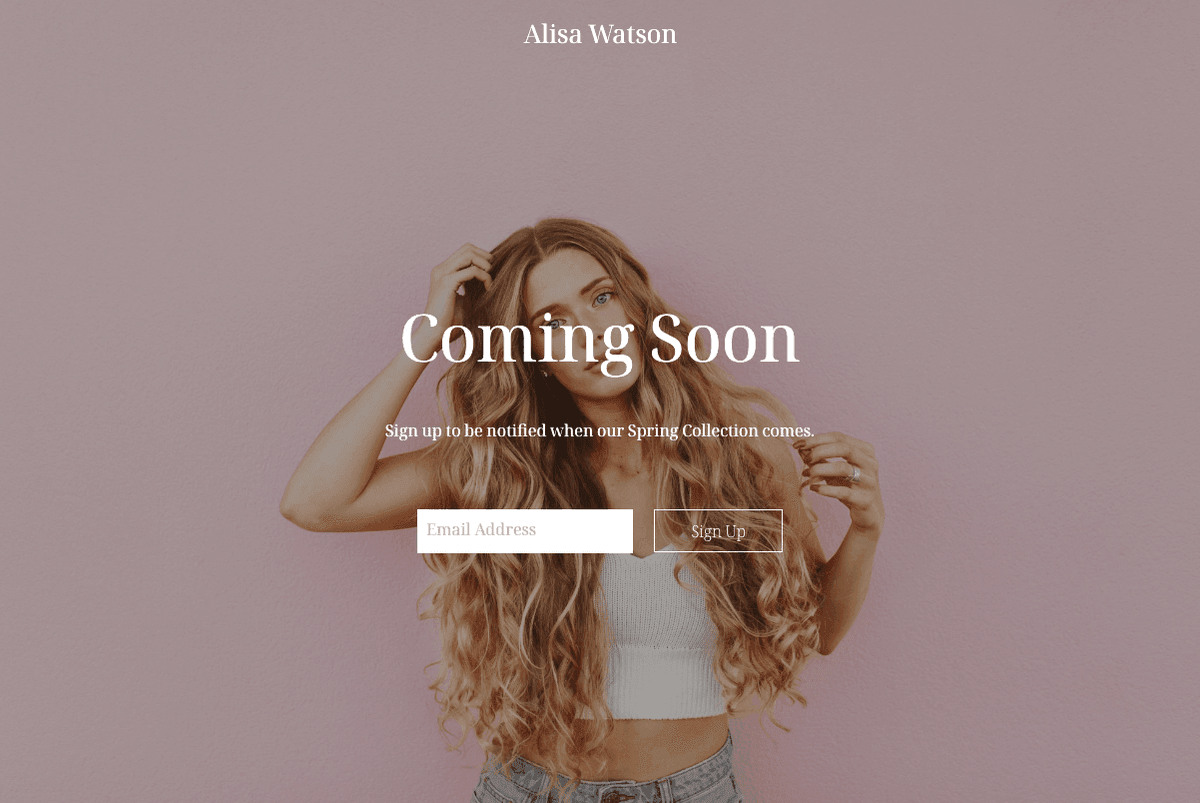
Coming Soon Template from Strikingly
Updating your outdated service pages is a crucial step in website content optimization. When you refresh these pages, you ensure that the information is current and relevant, which can significantly boost your search engine rankings. Removing unnecessary website copy helps focus your message, making it easier for visitors to find what they need and stay engaged.
Update Information to Reflect Current Offerings
Start by reviewing each outdated service page and updating the details to match your latest offerings. This process is essential for improving outdated service pages because stale data can confuse visitors and hurt your credibility. By aligning content with visitor intent, you help users quickly understand how your services meet their needs, which keeps them on your site longer. Regularly refreshing this information also signals to search engines that your website is active and relevant, strengthening topic relevance across articles.
Enhance User Experience Through Clearer Messaging
Clear messaging makes a huge difference when improving outdated service pages. Use simple language that directly addresses what visitors are searching for and how you can solve their problems. Improving website content optimization involves crafting messages that resonate with user intent, making it easier for visitors to navigate and find answers fast. When messaging is straightforward, it encourages conversions and builds trust—both vital for long-term success.
Incorporate Fresh Keywords Naturally
Adding fresh keywords naturally into your content is key to strengthening topic relevance across articles while optimizing on-page factors effectively. Don't just stuff keywords into the text; instead, weave them seamlessly into compelling copy that speaks directly to visitor needs. This approach not only improves SEO but also enhances overall readability and user experience—core aspects of improving outdated service pages through website content optimization.
Strengthen Topic Relevance Across Articles
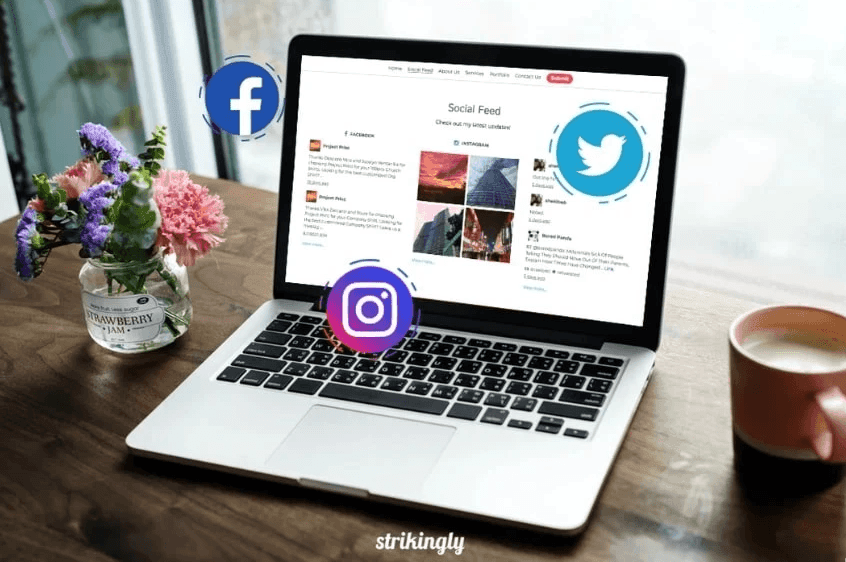
Strikingly Social Feeds Section
Building a strong connection between your articles is essential for effective website content optimization. When your content is well-linked and organized, it helps visitors find related information easily and keeps them engaged longer. Improving outdated service pages is part of this process because it ensures that all your content remains relevant and aligned with what your audience cares about, boosting your overall SEO efforts.
Develop a Cohesive Content Cluster Strategy
Creating a cohesive content cluster strategy means grouping related articles around core topics that matter to your visitors. This approach not only improves the relevance of your website but also helps search engines understand what you specialize in. When you focus on strengthening topic relevance across articles, you naturally enhance website content optimization by making sure each piece supports the others and directs traffic to key service pages.
To get started, map out main themes based on visitor interests and keywords they search for. Then, develop supporting articles that dive deeper into each sub-topic, ensuring they all link back to the main page or service offering. This structure makes improving outdated service pages easier because you can update one central article and have other related pieces support its authority through internal links.
Link Related Articles for Better Context
Linking related articles creates a web of valuable content that guides visitors through their journey while boosting SEO authority. When you connect pieces of content that cover similar topics or answer similar questions, it improves user experience by providing context and additional resources at just the right moments. Strengthening topic relevance across articles also signals to search engines that your site offers comprehensive solutions, which can help improve rankings.
Use descriptive anchor text when linking to other articles so visitors understand what they will find next—this is key in aligning content with visitor intent. Regularly review and update these links as new articles are created or existing ones are refreshed to keep everything current and useful. Removing unnecessary website copy from outdated pages allows you to focus on quality over quantity while ensuring each link adds value rather than clutter.
Use Internal Linking to Boost SEO Authority
Internal linking is one of the most effective ways to boost SEO authority while reinforcing topic relevance across all your website pages and articles. Proper internal links distribute page authority throughout your site, helping important pages rank higher in search results — especially when those pages include improved outdated service pages or updated blog posts aligned with visitor needs.
When planning internal links, think about how users navigate through your site; guide them logically from introductory content toward more detailed offerings like services or products. Incorporating strategic internal links also supports website content optimization by keeping visitors engaged longer and reducing bounce rates—plus it makes updating old pages easier since they can be linked into newer, more relevant material.
By strengthening topic relevance across articles through these methods, you'll make improving outdated service pages much more straightforward while creating a seamless experience for visitors seeking answers aligned with their intent. Keep refining this strategy regularly so every piece of content contributes meaningfully toward achieving better overall site performance.
Align Content with Visitor Intent
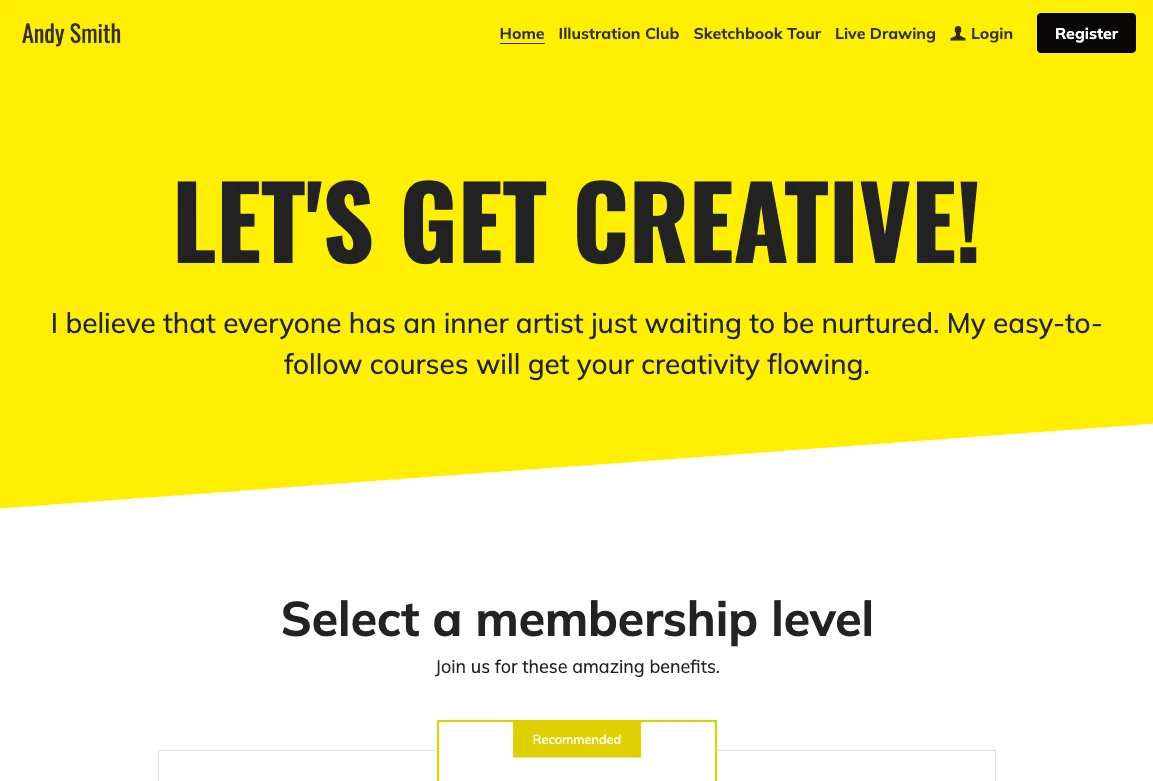
Let's Get Creative Template from Strikingly
Getting your website content to truly resonate with what visitors are searching for is a game-changer. When you understand your audience’s search goals, you can craft content that hits the mark every time. This not only improves your chances of ranking higher but also makes visitors feel understood, encouraging them to stay longer and explore more.
Focusing on aligning content with visitor intent is a key step in improving outdated service pages. When you know what your audience wants, you can remove unnecessary website copy that doesn’t serve their needs. This way, your pages become clearer and more relevant, which boosts overall website content optimization efforts and strengthens topic relevance across articles.
Creating content that answers visitors’ questions helps build trust and authority on your site. It’s all about speaking directly to their needs and providing valuable solutions. Strikingly’s easy-to-use platform makes it simple to organize this information effectively, ensuring your content layout supports user goals without clutter or confusion.
Optimize on-Page SEO Factors Effectively
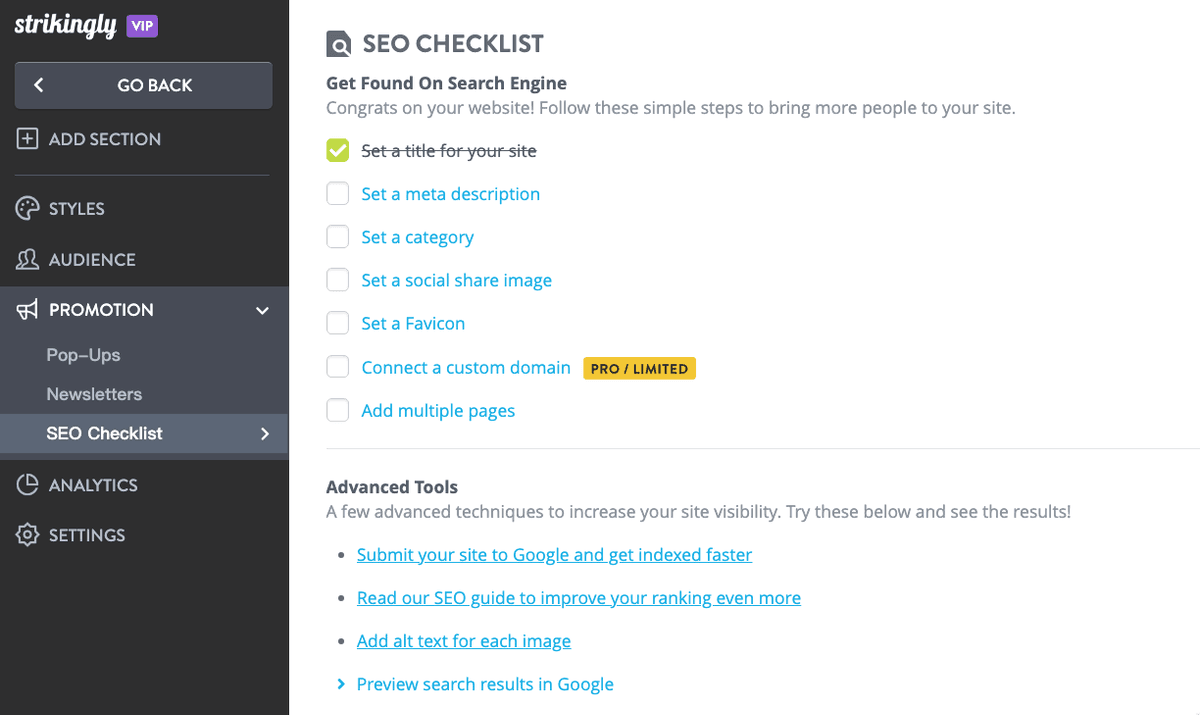
Strikingly SEO Checklist
Getting your website to rank higher and attract more visitors is all about fine-tuning your on-page SEO factors. This involves crafting meta titles and descriptions that catch eyes and make people want to click. When you focus on improving outdated service pages, you not only enhance user experience but also boost your overall website content optimization efforts. Remember, strengthening topic relevance across articles helps search engines understand your site better, making your content more discoverable.
A key part of this process is removing unnecessary website copy that clutter the page and distract visitors. Clear, concise content aligned with visitor intent makes it easier for users to find what they need quickly. As you optimize each element, keep in mind that aligning content with visitor intent is crucial for engagement and conversions.
Craft Compelling Meta Titles and Descriptions
Meta titles and descriptions are the first impression visitors get in search results, so make them count. Use keywords naturally within these elements to improve visibility without sounding forced or stuffed. When updating outdated service pages, ensure your meta tags accurately reflect the current offerings while incorporating keywords related to improving outdated service pages and strengthening topic relevance across articles.
Focus on creating compelling meta titles that entice clicks by highlighting unique benefits or solutions offered by your business. Your descriptions should provide a clear summary of what visitors can expect, encouraging them to visit your site rather than competitors' pages. Remember, well-crafted meta tags play a vital role in website content optimization by increasing click-through rates.
Use Heading Tags Strategically
Heading tags (H1, H2, H3) serve as signposts for both users and search engines navigating your site’s structure. Properly using heading tags helps organize information clearly while emphasizing important topics like improving outdated service pages or enhancing topic relevance across articles.
When updating old pages or creating new content, use headings to break down complex ideas into digestible sections aligned with visitor intent. Incorporate relevant keywords naturally into headings without overstuffing; this improves SEO while maintaining readability for visitors seeking specific information about website content optimization techniques.
Incorporate Core Keywords Without Overstuffing
Strategic keyword placement is essential for effective website content optimization but overdoing it can harm readability and rankings alike. Focus on integrating core keywords like improving outdated service pages, strengthening topic relevance across articles, and aligning content with visitor intent seamlessly within your text.
Use keywords thoughtfully within headers, paragraphs, and metadata so they support the overall message without sounding awkward or forced—this helps reinforce topical relevance across articles while keeping the user experience smooth. Remember that removing unnecessary website copy creates space for meaningful keyword integration that enhances both SEO performance and user engagement.
Conclusion

Keeping your website fresh and relevant is an ongoing journey, not a one-time task. Embracing continuous website content optimization helps you stay ahead of the competition and ensures your visitors find what they need quickly. Regularly updating your content, especially when improving outdated service pages, keeps your site engaging and trustworthy.
Remember that strengthening topic relevance across articles creates a strong content network that search engines love. Removing unnecessary website copy makes your pages clearer and more focused, which can boost user experience and SEO performance. Aligning content with visitor intent is the secret sauce to turning casual browsers into loyal customers.
Leverage tools like Strikingly Website Builder to make seamless updates easy and quick. This platform allows you to refresh and improve outdated service pages without hassle, ensuring your site remains relevant and user-friendly. With consistent efforts in website content optimization, you'll see better rankings, happier visitors, and more conversions over time.
