Quick Guide to Website Page Optimization for Better Rankings
Quick Guide to Website Page Optimization for Better Rankings

Unlocking the secrets of website page optimization can feel like solving a puzzle. When you understand how to improve content above the fold and organize information by importance, your site becomes more engaging and effective. Strikingly makes this process easier, helping you strengthen page-specific calls to action and reduce distractions on conversion pages, so visitors stay focused and convert faster.
Unlocking the Secrets of Website Page Optimization
Discovering how to optimize your website pages is key to attracting and retaining visitors. By focusing on improving content above the fold, you ensure that your most important messages are seen immediately. This approach helps boost user engagement and improves overall SEO performance without overwhelming your audience with clutter or unnecessary elements.
Why Improving Content Above the Fold Matters
The area above the fold is what visitors see first when they land on your site, making it crucial for capturing attention quickly. Improving content above the fold involves crafting compelling headlines, using eye-catching visuals, and organizing information by importance so users instantly understand what you offer. When done right, it encourages visitors to explore further rather than bouncing away in seconds.
How Strikingly Website Builder Simplifies Your SEO Journey
Strikingly offers tools that make website page optimization straightforward for everyone, whether you're a beginner or a pro. It helps you strengthen page-specific calls to action by placing them strategically where users are most likely to click. Plus, its easy-to-use features assist in reducing distractions on conversion pages, keeping visitors focused on taking action and improving your site's performance effortlessly.
Understanding the Foundations of Website Page Optimization
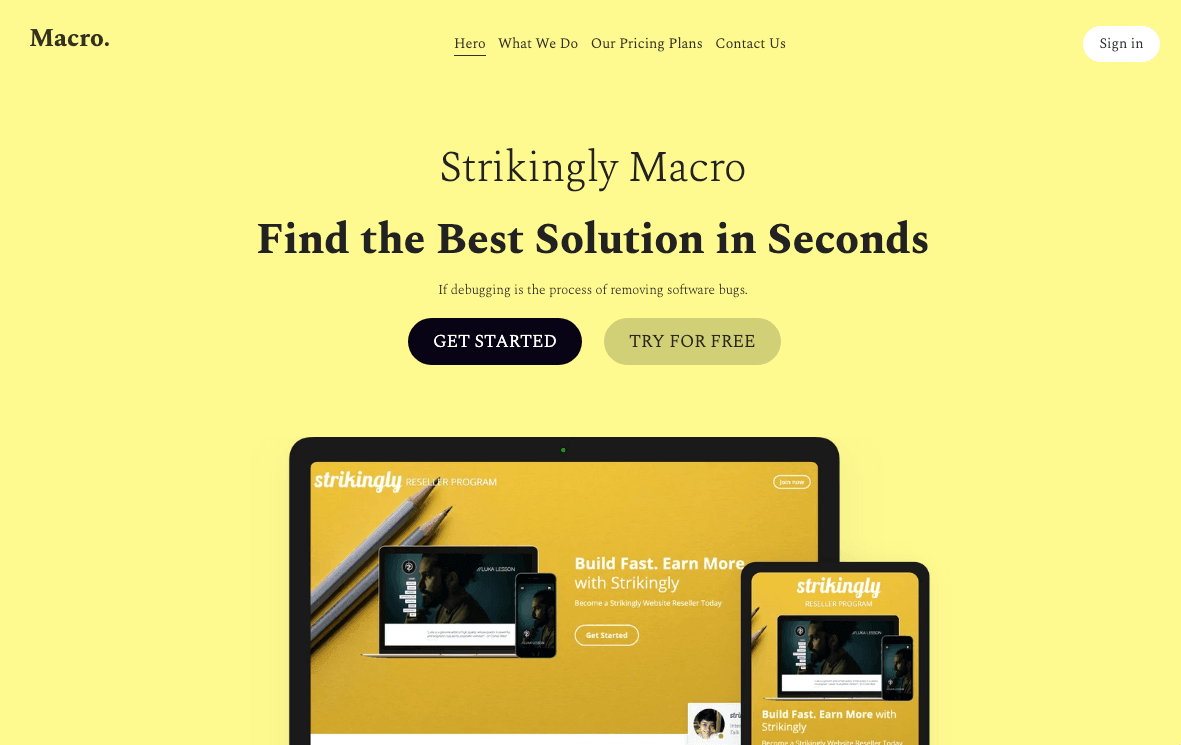
Macro Template from Strikingly
Getting your website to perform well isn’t just about having pretty pictures and clever words. It’s about understanding the core principles behind website page optimization. When you know how to improve content above the fold, strengthen page-specific calls to action, organize information by importance, and reduce distractions on conversion pages, you set yourself up for success. These foundations are what make your site user-friendly and boost your chances of converting visitors into customers.
What Is Website Page Optimization Exactly
Website page optimization is all about making each part of your webpage work harder for you. It involves fine-tuning elements like content placement, load speed, and design so visitors get a seamless experience. When you focus on improving content above the fold, you're ensuring that visitors see the most important information first without scrolling—this is key to grabbing attention immediately.
Optimizing a webpage also means organizing information by importance so users can find what they need quickly and easily. Strengthening page-specific calls to action ensures that visitors know exactly what step to take next—whether signing up or making a purchase. Reducing distractions on conversion pages keeps visitors focused on their goal and increases your chances of turning them into loyal customers.
The Role of Fast Loading Speed
Fast loading speed is critical in website page optimization because users tend to abandon slow sites within seconds. If your content above the fold takes too long to appear, potential customers may leave before they even see what you offer. Improving content above the fold with optimized images and streamlined code helps keep load times short and engagement high.
Speed also plays a role in how well your site ranks in search engines, which directly impacts visibility and traffic. When you focus on reducing distractions on conversion pages by minimizing unnecessary elements, it not only makes your site faster but also enhances user experience significantly. Remember, every second counts when it comes to keeping visitors interested and encouraging them to act.
Mobile Responsiveness and User Experience
With more people browsing from smartphones than ever before, mobile responsiveness is an essential part of website page optimization. If your site isn’t mobile-friendly, users will struggle with navigation or miss key messages that are designed to improve content above the fold. Ensuring that your layout adapts beautifully across devices helps keep visitors engaged longer.
A good mobile experience also means reducing distractions on conversion pages by simplifying layouts and removing clutter that could confuse or overwhelm users. When organizing information by importance in a mobile setting, clear headings and concise bullet points make it easier for users to scan quickly—improving overall user experience—and boosting conversions as a result.
By understanding these foundational elements—what website page optimization truly entails—you can start building websites that not only look good but also perform better in attracting and converting visitors efficiently through improved content above the fold and strategic design choices.
Crafting Engaging Content Above the Fold
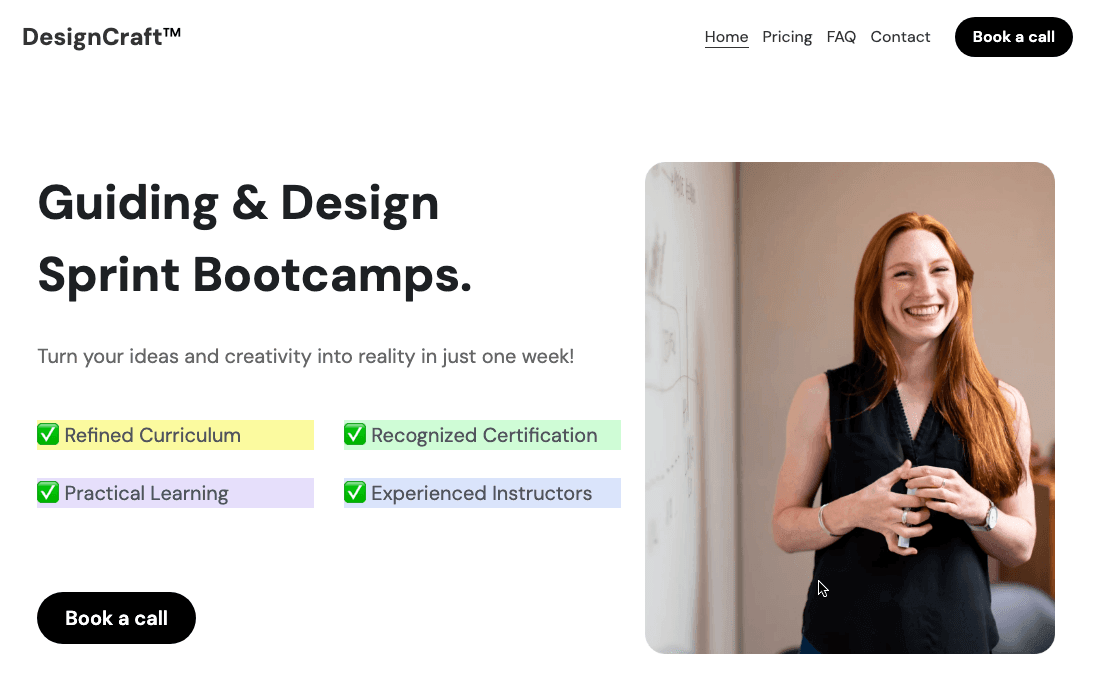
Creating engaging content above the fold is a crucial step in website page optimization. It’s the first thing visitors see, so making a strong impression can significantly influence their decision to stay or leave. When you focus on improving content above the fold, you set the stage for better user experience and higher conversions, especially when you incorporate clear calls to action and organize information by importance. Remember, a well-crafted top section encourages visitors to explore further and keeps them engaged longer.
Making a Strong First Impression
Your initial moments on a website are vital for capturing attention and encouraging visitors to stay. To improve content above the fold, ensure your landing area is visually appealing and easy to understand at a glance. This means using concise language that highlights your main value proposition right away, which directly supports website page optimization efforts. When you make this area compelling, it naturally strengthens page-specific calls to action by guiding users toward what matters most.
Using Clear and Compelling Headlines
Headlines are your first opportunity to communicate with visitors quickly. A strong headline should be clear, relevant, and enticing enough to make users want to learn more about your offerings. Incorporating keywords related to improving content above the fold helps reinforce your message while supporting overall website page optimization strategies. Effective headlines also help organize information by importance—highlighting what’s most valuable immediately—and can lead users smoothly into your call-to-action section.
Incorporating Visuals That Capture Attention
Visuals play an essential role in making content above the fold stand out and resonate with visitors instantly. Bright images or engaging graphics not only draw attention but also help convey your message faster than text alone—making them perfect tools for strengthening page-specific calls to action visually. When organizing information by importance, visuals act as focal points that guide users through key messages without overwhelming them with clutter; this reduces distractions on conversion pages and keeps visitors focused on what truly matters.
Strengthening Page-Specific Calls to Action
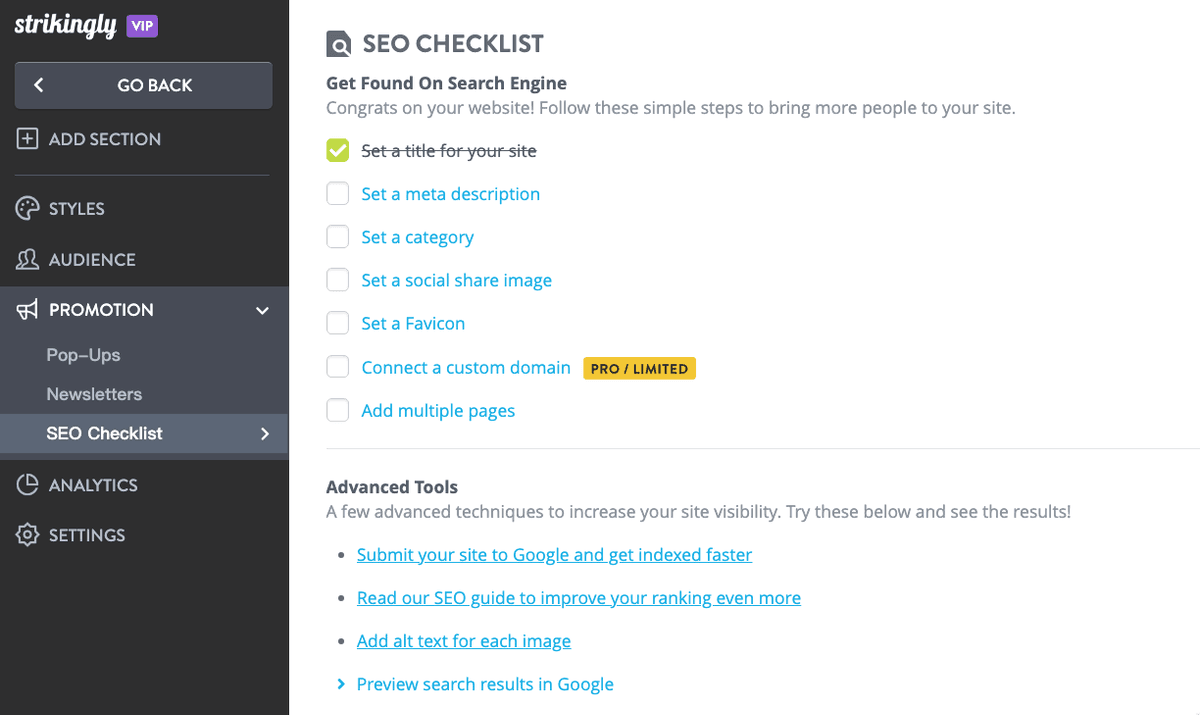
Strikingly SEO Checklist
Creating effective calls to action is crucial for improving content above the fold and driving visitors toward your goals. When you focus on strengthening page-specific calls to action, you make it easier for users to understand what you want them to do next. Clear, compelling CTAs can turn casual browsers into engaged customers, which is a key part of website page optimization.
Designing Calls to Action That Convert
Designing calls to action that convert starts with clarity and relevance. Your CTA should stand out visually and communicate a strong benefit or value proposition that resonates immediately with visitors. When improving content above the fold, make sure the CTA is prominent and easy to understand so users don’t have to hunt for it; this helps organize information by importance and keeps your page focused on your main goal.
Placing Calls to Action Strategically
Strategic placement of your calls to action is essential for maximizing conversions. Position your CTAs where they are naturally visible as soon as visitors land on your page—usually above the fold or right after engaging content—so they don’t have to scroll or search for them. This approach supports website page optimization by reducing distractions on conversion pages and guiding visitors smoothly through their journey without confusion or frustration.
Testing and Refining Your CTAs
Constant testing and refining are part of strengthening page-specific calls to action effectively over time. Use A/B testing tools to compare different wording, colors, placements, or sizes of your CTAs, ensuring you find what works best for improving content above the fold. Remember, even small tweaks can significantly impact user engagement and conversions, helping you organize information by importance more efficiently while reducing distractions on conversion pages.
Organizing Information by Importance

Quantum Template from Strikingly
Getting your website to perform well isn’t just about looking pretty; it’s about making sure visitors find what they need quickly and easily. Organizing information by importance is a key step in website page optimization because it helps improve content above the fold and keeps users engaged from the moment they land. When you prioritize your content effectively, you make it easier for visitors to understand your message and take action, which ultimately strengthens page-specific calls to action.
Prioritizing Content for Better Readability
The first rule of improving content above the fold is to put the most important information front and center. Think of your homepage as a first date—first impressions matter, so highlight your best features or offers right away. When you organize information by importance, you guide visitors naturally toward what matters most, making their experience smoother and more enjoyable. This approach not only enhances website page optimization but also ensures that key messages don’t get lost in a sea of less relevant details.
Using Bullet Points and Subheadings Effectively
Breaking up text with bullet points and clear subheadings makes your content easier to scan—something that’s vital when optimizing pages for quick readability. Bullet points help highlight benefits or features without overwhelming readers with long paragraphs, which can be distracting on conversion pages. Subheadings serve as signposts guiding visitors through your content, helping them find what they need faster while reinforcing the overall message about improving content above the fold.
Keeping Your Pages Clean and Focused
Clutter can be a big obstacle in website page optimization because too many elements create distractions that divert attention from your main goal—converting visitors into customers or leads. Reducing distractions on conversion pages involves removing unnecessary images, excessive text, or flashy ads that don’t support your primary call to action. A clean layout keeps users focused on what truly matters, making it easier to strengthen page-specific calls to action and improve overall engagement.
By organizing information by importance thoughtfully, you boost readability while supporting efforts like improving content above the fold and strengthening page-specific calls to action. Remember that simplicity often leads to better conversions because visitors aren’t overwhelmed or distracted—they see exactly what they need at just the right moment on their journey through your site. Keep refining these elements regularly so each visit feels seamless and compelling for every visitor who lands on your pages.
Reducing Distractions on Conversion Pages
When it comes to website page optimization, reducing distractions on your conversion pages is essential for guiding visitors toward taking action. A cluttered page with unnecessary elements can divert attention away from your key message and weaken your efforts to improve content above the fold. By focusing on clear, simple designs, you make it easier for visitors to understand what they should do next, which ultimately boosts conversions.
Minimizing unnecessary elements is a crucial step in strengthening page-specific calls to action. Every extra button, link, or image can dilute the focus and confuse visitors about where to click or what to prioritize. When you organize information by importance, you help users quickly find what they need without feeling overwhelmed. This approach makes your content more engaging and ensures that your calls to action stand out prominently.
Limiting pop-ups and advertisements also plays a significant role in improving content above the fold and reducing distractions on conversion pages. Excessive pop-ups can frustrate visitors and cause them to leave before completing their goal. Instead, keep these interruptions minimal or strategic so that your primary message remains front and center, making it easier for users to convert smoothly.
Enhancing focus for better conversions involves streamlining the entire page layout. Remove anything that does not serve a direct purpose related to your main goal. When you organize information by importance and eliminate distractions, you create a seamless experience that encourages visitors to follow through with your calls to action confidently.
Conclusion

Understanding the essentials of website page optimization can feel overwhelming at first, but focusing on improving content above the fold is a great starting point. Remember, organizing information by importance helps visitors find what they need quickly and keeps them engaged longer. Strengthening page-specific calls to action makes it easier for users to take the next step, whether that’s signing up, purchasing, or exploring more of your site.
Strikingly makes it simple to improve content above the fold with user-friendly tools that guide you through organizing information by importance and designing compelling calls to action. The platform also helps reduce distractions on conversion pages by minimizing unnecessary elements and limiting pop-ups that can divert attention. When you combine these strategies with website page optimization best practices, your site becomes more effective at converting visitors into loyal customers.
Getting started with website page optimization today is easier than ever thanks to Strikingly’s intuitive features. By focusing on improving content above the fold and refining your calls to action, you'll create a cleaner, more engaging experience for your visitors. Remember, small changes in reducing distractions on conversion pages and organizing information by importance can lead to big results over time.
