Master the Website Content Hierarchy for Better SEO in 2023
Master the Website Content Hierarchy for Better SEO in 2023

Having a clear and well-organized website content hierarchy is essential for making your site easy to navigate and boosting your SEO. When your content is structured logically, visitors can find what they need quickly, which keeps them engaged and encourages them to stay longer. Prioritizing information by visitor intent helps you highlight the most important points first, ensuring your audience gets the right message at the right time.
A strong website content hierarchy also makes it easier for search engines to understand your site’s purpose. Organizing supporting details beneath key points creates a smooth flow that guides visitors naturally through your content. Creating scannable page sections with clear headings and visual cues improves information discovery, helping users find what they want without frustration.
Grasping the Fundamentals of Website Content Hierarchy

Quantum Template from Strikingly
Understanding the basics of website content hierarchy is like knowing how to organize your closet—everything has its place, and it makes finding what you need much easier. When you prioritize information by visitor intent, you guide your audience smoothly through your site without them feeling lost or overwhelmed. Creating scannable page sections with clear headings and supporting details beneath key points helps visitors quickly grasp your message, making their experience more enjoyable and increasing the chances they stay longer.
A well-structured website content hierarchy is essential for improving information discovery on your site. By organizing supporting details beneath key points, you make it simple for visitors to find exactly what they’re looking for without digging through cluttered pages. This strategic setup not only benefits user experience but also boosts SEO because search engines love sites that clearly present information in a logical order.
Top brands like Amazon and Apple have mastered this concept by designing their websites around a solid content hierarchy. They focus on creating scannable page sections that highlight main features first, then support those points with detailed explanations or related products. This approach ensures visitors can navigate effortlessly while getting the most relevant info quickly, which keeps them engaged and encourages conversions.
By understanding these fundamentals, you set a strong foundation for building a website that prioritizes information by visitor intent effectively. Remember that organizing supporting details beneath key points makes your content easier to scan and understand at a glance. When you focus on creating scannable page sections aligned with user needs, improving information discovery becomes second nature—making your site more engaging and SEO-friendly alike.
Prioritizing Information by Visitor Intent
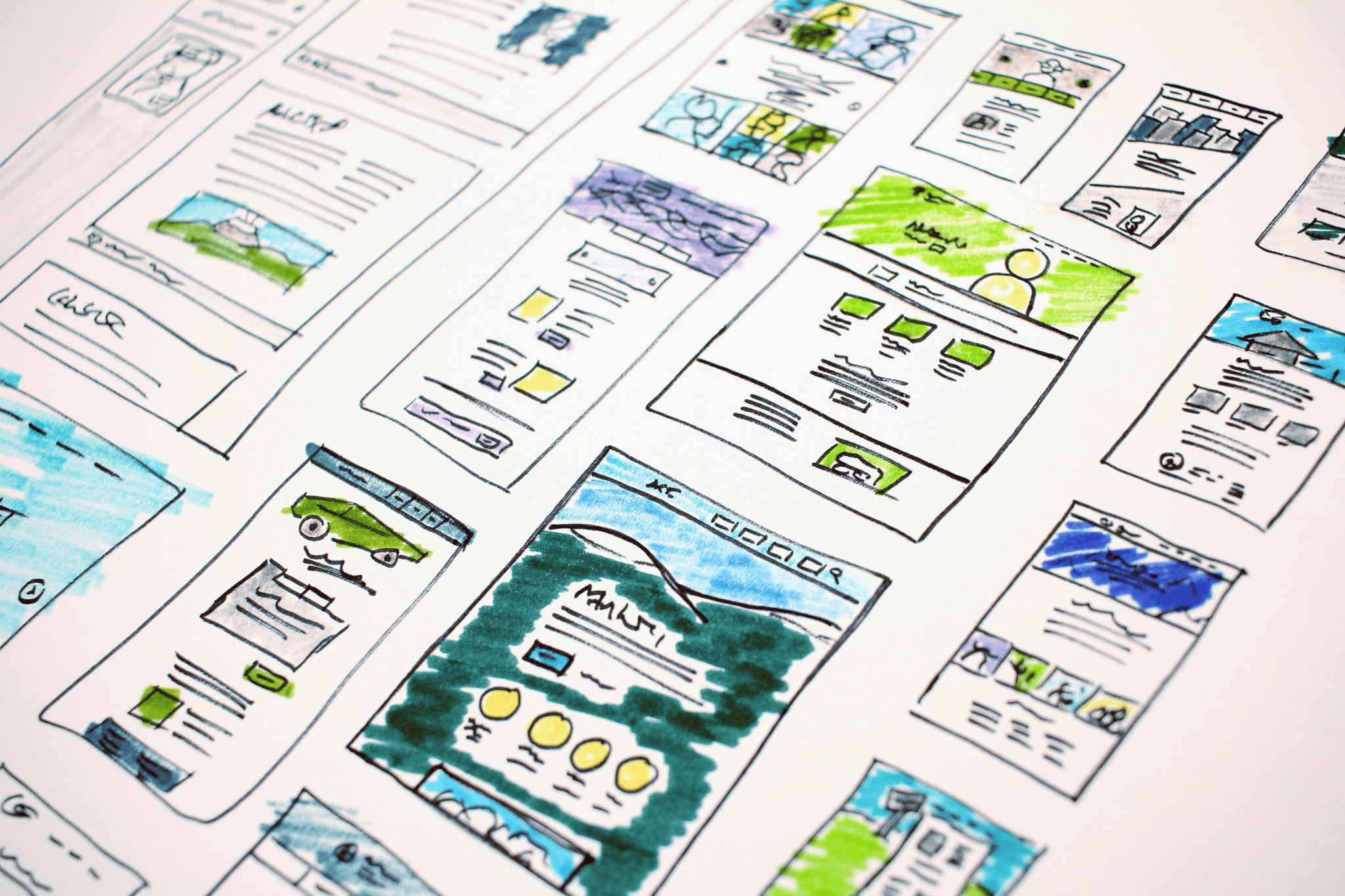
Understanding how visitors interact with your website is crucial for creating a strong website content hierarchy. When you focus on prioritizing information by visitor intent, you help users find what they need quickly and easily. This approach ensures that your content aligns with their goals, making the overall user experience much smoother and more engaging.
To effectively prioritize information by visitor intent, start by mapping your content to different user goals. For example, some visitors may be looking for quick answers, while others want detailed guides or product comparisons. Organizing supporting details beneath key points helps guide visitors through your site logically, so they can easily access relevant information without feeling overwhelmed. This method not only makes your pages more scannable but also boosts your chances of keeping visitors engaged longer.
Using data from tools like Google Analytics is another smart way to inform content priorities. By analyzing visitor behavior—such as which pages are most visited or where users drop off—you can adjust your website content hierarchy accordingly. When you improve information discovery through strategic layout choices, like clear headings and well-placed supporting details, visitors can navigate effortlessly toward their goals. Combining these strategies ensures that your website is optimized for both search engines and real people seeking valuable content.
Creating Scannable Pages
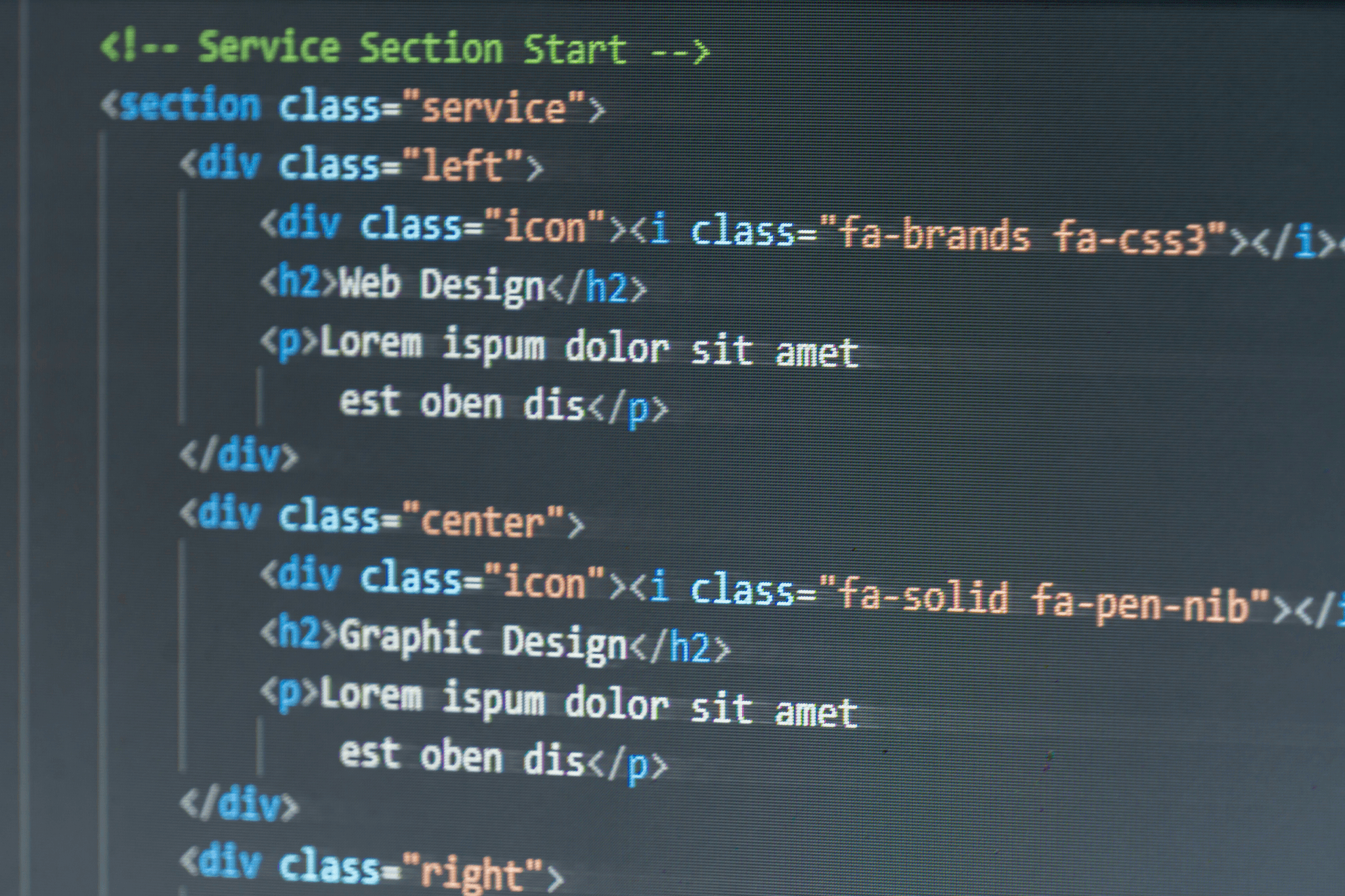
Making your website easy to read and navigate is crucial for keeping visitors engaged. When you focus on creating scannable page sections, you help users find what they need quickly. This approach also enhances your website content hierarchy by organizing information in a way that prioritizes visitor intent and improves information discovery.
Designing Clear and Concise Headings with Strikingly
Start with headings that are straightforward and to the point. Clear headings act as signposts guiding visitors through your content, making it easier for them to scan and understand your message at a glance. When designing these headings with Strikingly, use bold fonts and larger sizes to create visual hierarchy, which helps in organizing supporting details beneath key points effectively.
Prioritizing information by visitor intent begins right here—your headings should reflect what your audience is looking for. Well-crafted headings not only improve the website content hierarchy but also encourage visitors to explore more of your site without feeling overwhelmed. Remember, the goal is to make each section inviting enough so users want to keep scrolling.
Incorporating Bullet Points and Visual Cues
Bullet points are a simple yet powerful tool for breaking down complex ideas into digestible pieces of information. They help in creating scannable page sections that catch the eye quickly and make it easier for visitors to grasp key points without reading every word. Using visual cues like icons or color highlights can further guide users’ attention toward essential details, boosting overall user experience.
When you organize supporting details beneath key points using bullet lists or icons, you're reinforcing your website content hierarchy by emphasizing what matters most first. This method aligns perfectly with prioritizing information by visitor intent because it allows users to pick out relevant info instantly while exploring your site’s layout effortlessly.
Examples from HubSpot and Neil Patel’s Blogs
Both HubSpot and Neil Patel excel at creating scannable pages that improve information discovery for their audiences. Their blog posts often feature clear headings paired with bullet points that highlight major takeaways or steps, making it easy for readers to scan through content efficiently. These examples show how organizing supporting details beneath key points not only enhances readability but also boosts engagement.
By observing these top brands, you’ll see how they use effective structuring techniques aligned with a solid website content hierarchy strategy. Incorporating their methods into your own pages can help prioritize visitor intent while making sure important messages stand out clearly—leading visitors seamlessly from one section to the next.
Implementing these tips will help you craft more engaging pages that prioritize information effectively and improve overall user experience on your site.
Organizing Supporting Details Beneath Key Points
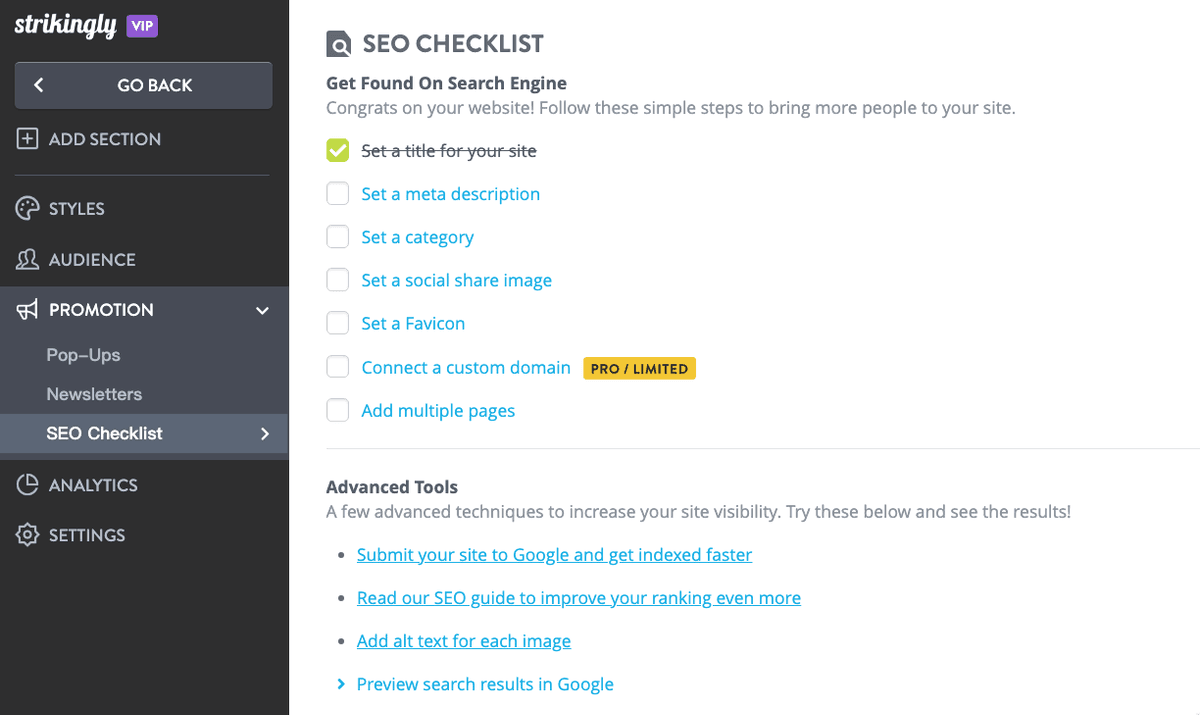
Strikingly SEO Checklist
Once you've identified your key points, the next step is to organize supporting details beneath them. This helps create a logical content flow that makes your website content hierarchy clear and easy to follow. When visitors can easily see how each supporting detail relates to the main point, they are more likely to stay engaged and understand your message better.
Prioritizing information by visitor intent plays a crucial role here. Think about what your audience is looking for when they land on your page and arrange supporting details accordingly. For example, if visitors want quick answers, place the most important supporting details at the top of each section. This approach ensures your content aligns with their needs and improves information discovery.
Creating scannable page sections is another key aspect of organizing supporting details effectively. Use short paragraphs, bullet points, and visual cues like icons or bold text to highlight critical information. Buffer’s website demonstrates this well by breaking down complex ideas into digestible chunks, making it easier for visitors to scan through content quickly without feeling overwhelmed.
Improving Information Discovery with Strategic Layouts

Creating a website that visitors find easy to navigate starts with a solid understanding of how to improve information discovery. When you organize your content with a clear website content hierarchy, visitors can quickly find what they need without frustration. Strategic layouts help prioritize information by visitor intent, making your site more user-friendly and boosting engagement.
Using Clear Call-to-Actions to Guide Visitors
One of the simplest ways to enhance your website content hierarchy is by using clear call-to-actions (CTAs). Well-designed CTAs act like signposts, guiding visitors toward the next step, whether it's signing up for a newsletter or exploring your products. When these CTAs are prominent and aligned with visitor intent, they help organize supporting details beneath key points effectively. This way, users don’t get lost in cluttered pages but instead follow a logical flow that improves their overall experience.
Implementing Consistent Navigation Menus
Consistent navigation menus are essential for improving information discovery across your site. They serve as the backbone of organizing supporting details beneath key points by providing easy access to related pages and sections. When navigation is predictable and uniform throughout your website, visitors can prioritize their interests naturally without feeling overwhelmed—making it easier for them to locate relevant content based on their visitor intent.
Insights from Shopify’s Content Structure for E-commerce Success
Shopify offers valuable lessons on creating layouts that enhance user experience through strategic placement of content sections. Their e-commerce sites often feature well-organized categories and filters that help visitors prioritize information by visitor intent efficiently. By adopting similar strategies—such as highlighting popular products or offering quick links—you can improve information discovery significantly on your own site while maintaining a clear website content hierarchy that guides visitors effortlessly through their journey.
Leveraging Strikingly Website Builder for Effective Content Hierarchy
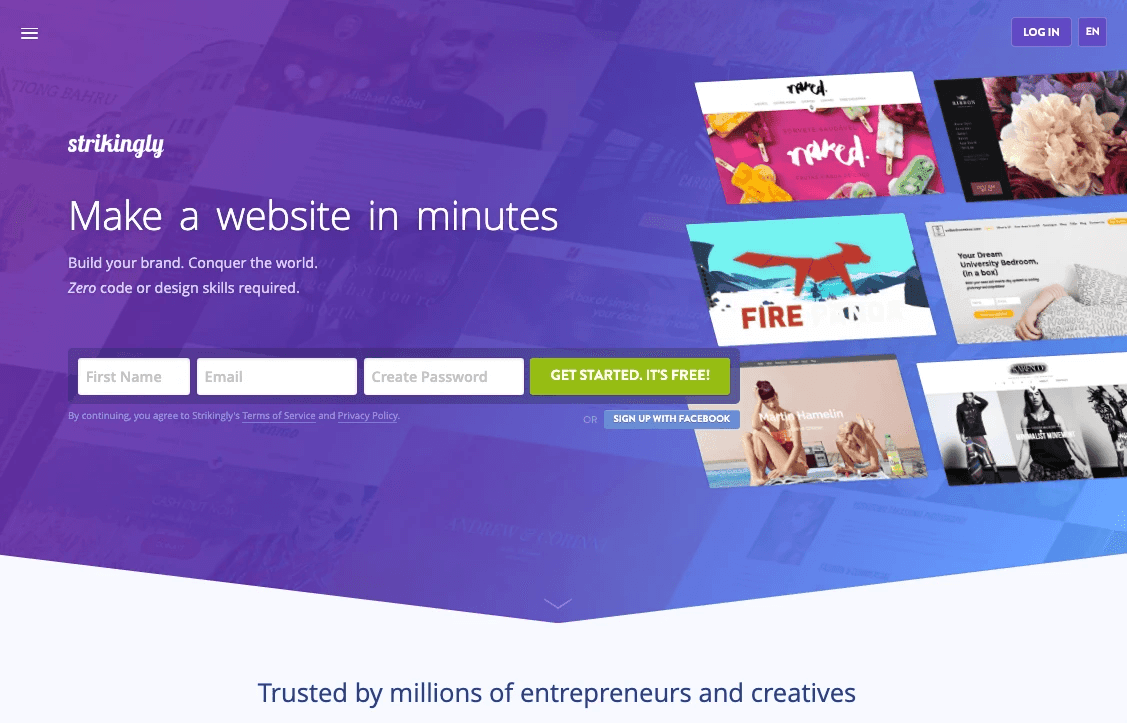
Strikingly Landing Page
Strikingly’s website builder makes it simple to create a solid website content hierarchy that guides visitors smoothly through your pages. With its intuitive drag-and-drop feature, you can easily organize content into clear, hierarchical structures without any coding skills. This helps prioritize information by visitor intent, ensuring your most important messages get noticed first.
When you build your pages with a well-planned website content hierarchy, visitors can quickly find what they need. Strikingly’s tools allow you to create scannable page sections that highlight key points and supporting details beneath them. By doing so, you improve information discovery and make your site more user-friendly, encouraging visitors to stay longer and engage more.
Using templates designed for clear content organization is another major advantage of Strikingly. These templates are crafted with the goal of organizing supporting details beneath key points effectively. They help small businesses focus on creating a logical flow that aligns with visitor goals, making it easier to guide users toward desired actions.
Prioritizing information by visitor intent becomes effortless when using Strikingly’s structured layouts. You can easily place call-to-actions and important messages at strategic points on the page, reinforcing your content hierarchy. This approach ensures that visitors' needs are met efficiently and improves overall engagement on your site.
Conclusion
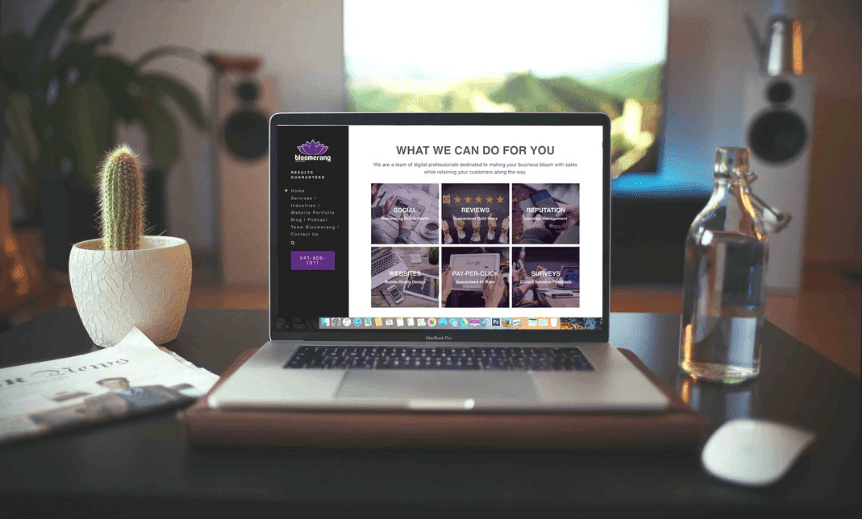
Strikingly Website on a Laptop
Crafting a website content hierarchy that truly resonates with your visitors is the secret to turning casual browsers into loyal customers. When you prioritize information by visitor intent, your site becomes more intuitive and engaging, making it easier for users to find what they need without frustration. Remember, organizing supporting details beneath key points helps guide your audience smoothly through your content, creating a seamless experience that keeps them clicking and exploring.
Making your content speak visitor language is essential in today’s crowded online space. By creating scannable page sections with clear headings and visual cues, you make it simple for visitors to skim through your pages and grasp the main ideas instantly. Improving information discovery on your website ensures users stay longer and are more likely to convert because they feel understood and guided effortlessly.
Taking action today by simplifying your website with Strikingly can dramatically improve how visitors navigate and engage with your content. Use strategic layouts, easy drag-and-drop tools, and well-designed templates to build a website that highlights your key messages effectively. Remember, a well-organized website content hierarchy not only boosts SEO but also creates an enjoyable experience that keeps visitors coming back for more.
