Effective Strategies for Website Conversion Testing in 2026
Effective Strategies for Website Conversion Testing in 2026
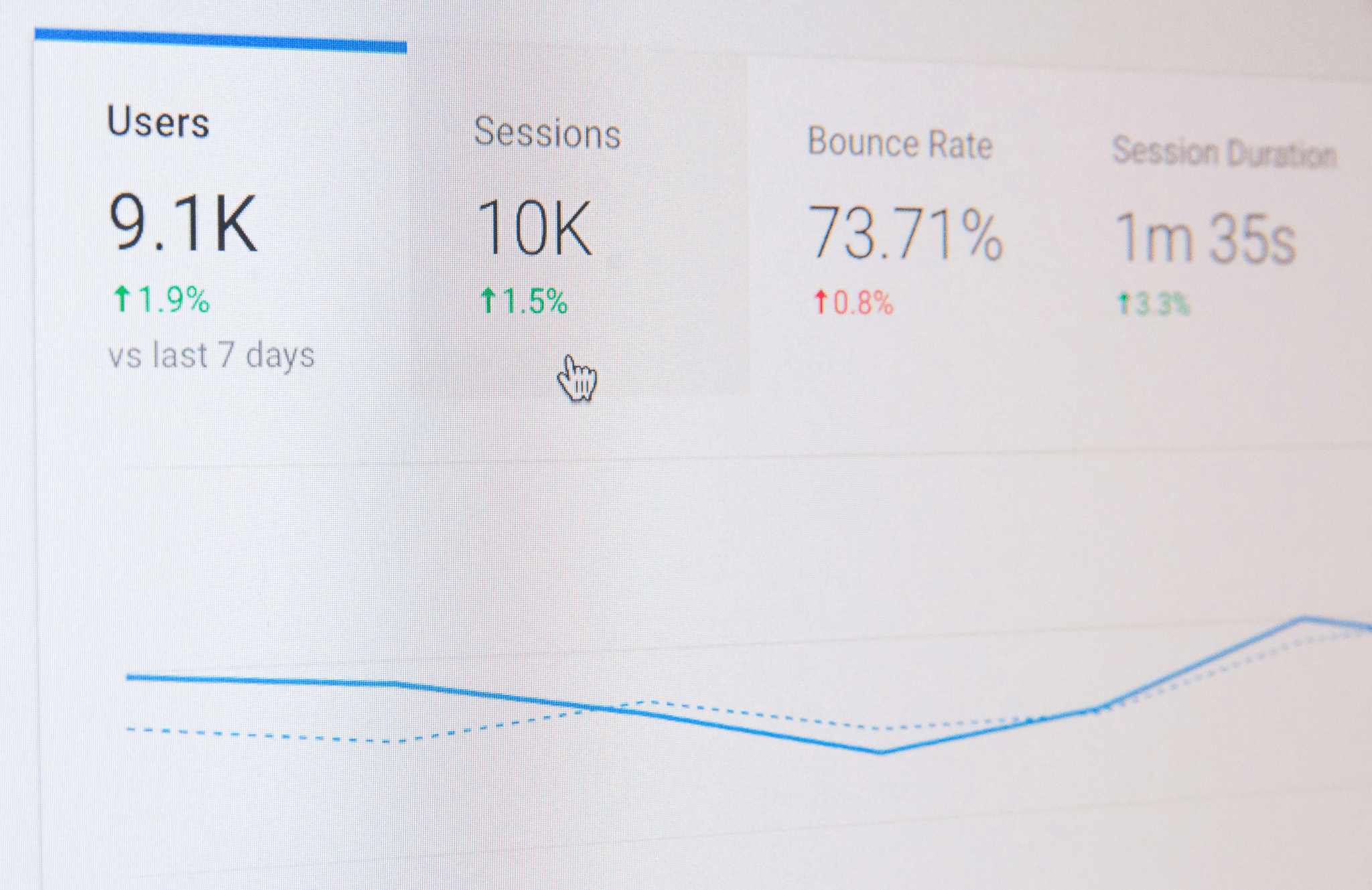
Getting your website to perform better and turn visitors into customers is a goal many entrepreneurs and marketers share. This is where website conversion testing comes into play, helping you understand what works best for your audience. By mastering this process, you can make smarter decisions that lead to increased engagement and higher conversion rates.
When you start testing different headline approaches, you gain insights into what captures your visitors' attention the fastest. Sometimes a simple tweak in your headlines can significantly impact how many people stay on your site and take action. Comparing CTA placement variations also plays a crucial role in guiding users toward completing desired actions, making your overall strategy more effective.
Luckily, tools like Strikingly can simplify your conversion optimization efforts. It streamlines the process of evaluating form length changes or measuring conversion changes accurately across different pages. With the right approach and platform support, improving your website's performance becomes less complicated and more achievable.
Mastering Website Conversion Testing for Better Results
Mastering website conversion testing involves systematically trying out different elements on your site to see what resonates most with visitors. Whether it’s headlines or button placements, understanding how each change affects user behavior helps you optimize effectively. When you compare CTA placement variations or evaluate form length changes regularly, you'll notice steady improvements in your results over time.
Why Testing Different Headline Approaches Matters
Testing different headline approaches is essential because headlines are often the first thing visitors see when they land on your page. A compelling headline can increase engagement dramatically while a weak one might turn potential customers away instantly. Using data from these tests helps refine messaging so that each headline maximizes its impact on converting visitors into leads or sales.
How Strikingly Can Simplify Your Conversion Optimization
Strikingly makes website conversion testing easier by providing built-in features that allow you to compare different versions of pages effortlessly. Whether you're experimenting with various headlines or adjusting call-to-action placements, this platform helps track which changes yield better results quickly and accurately—saving time and reducing guesswork during optimization efforts. With its intuitive tools for measuring conversion changes accurately, optimizing becomes accessible even if you're new to digital marketing.
Setting Clear Goals for Website Conversion Testing
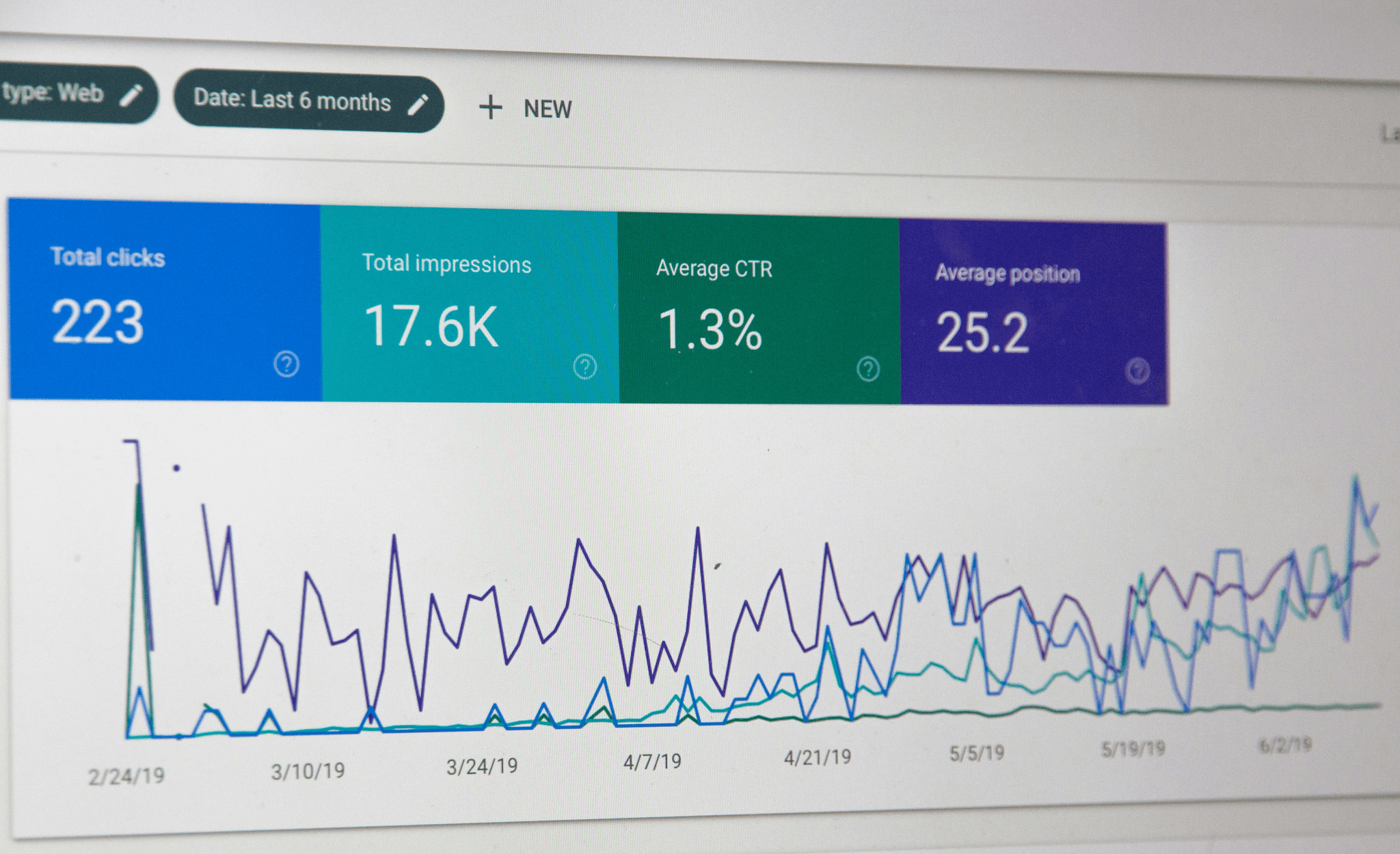
Before diving into testing different headline approaches or comparing CTA placement variations, it’s essential to set clear goals for your website conversion testing. Knowing exactly what you want to improve helps you stay focused and measure success more accurately. Without clear objectives, even the best testing efforts can feel like shooting in the dark, wasting time and resources.
First, define your conversion metrics carefully. These could include newsletter sign-ups, product purchases, contact form submissions, or other key actions visitors take on your site. When you understand which metrics matter most, measuring how changes—like adjusting headlines or form length—affect your results becomes much easier. Remember that measuring conversion changes accurately is vital to see what truly works and what doesn’t.
Next, choose the key pages to test wisely. Not every page needs rigorous testing; focus on high-traffic pages or those with room for improvement. For example, a landing page with a prominent call-to-action (CTA) is perfect for experimenting with different CTA placement variations or headline styles. By selecting the right pages, you make your website conversion testing more efficient and impactful.
Finally, establish success benchmarks based on your current data and future goals. This means setting specific targets such as increasing conversions by 10 percent within a month or reducing bounce rates after testing different headline approaches. Clear benchmarks motivate your team and provide a concrete way to evaluate whether changes are genuinely driving growth through effective website conversion testing.
Crafting Effective Headline Strategies

Image taken from Strikingly - Easter Sale Email
Creating compelling headlines is a crucial part of website conversion testing. Your headlines are often the first thing visitors see, so testing different headline approaches can make a big difference in engagement and conversions. By analyzing top performing headlines, you can identify what resonates with your audience and refine your messaging to improve overall website conversion testing results.
Analyzing Top Performing Headlines
Start by examining the headlines that have already delivered good results on your site. Look for patterns in language, tone, and structure that seem to attract visitors and encourage them to take action. Comparing CTA placement variations alongside these headlines helps you understand which combinations work best for increasing conversions during your website conversion testing efforts.
Testing Different Headline Approaches
Experiment with various headline styles such as benefits-focused, curiosity-driven, or question-based approaches. Testing different headline approaches allows you to see which ones lead to higher engagement rates and better conversion changes accurately measured through your analytics tools. Remember that evaluating form length changes can also influence how effective your headlines are in guiding visitors toward desired actions.
Using Data to Refine Your Headlines
Leverage data collected from your tests to continuously improve your headlines over time. Use insights from measuring conversion changes accurately to tweak wording, style, or placement strategies for maximum impact. Combining this data with comparisons of CTA placement variations helps create a more persuasive message that boosts overall website conversion testing success.
Optimizing Call-to-Action Placement

TripTale Template from Strikingly
Getting the placement of your call-to-action buttons right can make a huge difference in your website conversion testing efforts. When you compare CTA placement variations, you’ll discover which spots on your pages catch visitors’ attention and encourage them to take action. Testing different headline approaches alongside CTA positions helps you understand what works best to boost conversions and keep visitors engaged.
Comparing CTA Placement Variations
One of the most effective ways to improve your website conversion testing is by comparing CTA placement variations across your pages. Moving a button higher up on the page or placing it after compelling content can significantly impact how many visitors click through. Remember, evaluating form length changes also plays a role here because shorter forms with prominent CTAs tend to increase engagement, but longer forms might gather more qualified leads if positioned correctly.
Personalizing CTAs for Different Audiences
Personalization is key when optimizing call-to-action placement because different audiences respond better to certain placements and messaging styles. For example, first-time visitors might need a more prominent CTA placed near the top, while returning users could benefit from less intrusive options further down the page. Incorporating data from website conversion testing allows you to refine how personalized CTAs are positioned based on visitor behavior and preferences.
Tracking CTA Effectiveness
Tracking CTA effectiveness is essential in measuring how well your adjustments are working within your overall website conversion testing strategy. Use analytics tools that help evaluate click rates and conversion changes accurately so you can identify which placements perform best over time. This ongoing process ensures you're always refining your approach, comparing CTA placement variations effectively, and making smarter decisions that lead to better results.
By carefully comparing different call-to-action placements and measuring their impact through reliable analytics tools, you'll develop a clearer picture of what drives conversions on your site. Remember that evaluating form length changes alongside these tests can also influence results significantly. Combining these insights will help you create more engaging pages that convert visitors into loyal customers effortlessly.
Evaluating Form Length Changes

Strikingly Online Review
When it comes to website conversion testing, one of the key elements to consider is form length. Changing the length of your forms can significantly impact your conversion rates and overall results. By evaluating form length changes carefully, you can discover what works best for your audience, whether that means shorter forms to boost sign-ups or longer forms to gather qualified leads.
Understanding the Impact of Shorter Forms
Shorter forms are often praised for reducing friction and making it easier for visitors to complete their actions. When you test different headline approaches alongside shorter forms, you'll notice a potential increase in conversions because users aren't overwhelmed by lengthy questionnaires. However, it's important to remember that while shorter forms may improve initial engagement, they might not always capture enough information for qualified leads.
Testing Longer Forms for Qualified Leads
On the flip side, longer forms can help you gather more detailed data about your visitors and attract higher-quality leads. When comparing CTA placement variations within these longer forms, you might find certain placements encourage more completions or better engagement from serious prospects. The trick is to balance this with user experience; too long and visitors may abandon the process altogether.
Balancing Simplicity with Completeness
The key to successful website conversion testing involving form length is striking a balance between simplicity and completeness. You should experiment with different form lengths while measuring conversion changes accurately through reliable analytics tools. This way, you can identify whether shorter or longer forms deliver better results based on real data rather than assumptions.
Remember, evaluating form length changes isn't just about making things easier—it’s about optimizing your entire conversion process by understanding how different variables influence visitor behavior in terms of website conversion testing.
Measuring Conversion Changes Accurately

Strikingly Social Feeds Section
Getting a clear picture of how your website is performing after testing different headline approaches or adjusting CTA placement variations is essential. Accurate measurement ensures you understand what truly impacts your conversion rates and helps you make smarter decisions moving forward. When you focus on measuring conversion changes accurately, you're better equipped to refine your strategies and optimize your site effectively.
Using Reliable Analytics Tools
To track the success of your website conversion testing efforts, using reliable analytics tools is a must. These tools help you compare CTA placement variations and evaluate form length changes with precision, giving you real-time data on visitor behavior. By leveraging dependable analytics, you can confidently interpret whether your tweaks to headlines or form designs are driving meaningful results or just noise in the data.
Avoiding Common Pitfalls in Data Collection
One of the biggest mistakes in website conversion testing is relying on flawed data collection methods that can lead to false conclusions about what works best. For example, not accounting for seasonal traffic fluctuations or ignoring sample size can skew results when comparing CTA placement variations or evaluating form length changes. To measure conversion changes accurately, always ensure your data collection processes are consistent and free from biases that could mislead your analysis.
Interpreting Results to Drive Growth
Once you've gathered solid data, it's time to interpret what it means for your site’s performance. Focus on understanding how different headline approaches impact conversions and whether adjusting forms or CTA placements truly makes a difference. By accurately measuring conversion changes, you'll be able to identify winning strategies faster and continue refining them—ultimately boosting growth through smarter website conversion testing.
This visual highlights the importance of measuring website conversions accurately by showcasing detailed analytics used during testing efforts.
Leveraging User Behavior Insights with Strikingly

Strikingly Unique Visitors Analytics
Understanding how visitors interact with your website is a game-changer for website conversion testing. When you analyze visitor interactions, you get a clear picture of what’s working and what needs tweaking. This helps you compare CTA placement variations effectively and evaluate form length changes to see how they impact overall conversion rates.
Using Strikingly’s built-in testing features makes it easier to gather valuable user behavior insights. You can run quick tests on different headlines or CTA positions, then compare results to identify the most effective strategies. This approach ensures that your testing different headline approaches is backed by real user data, leading to smarter decisions in your conversion optimization efforts.
Once you have the data from these tests, implementing data-driven improvements becomes straightforward. By measuring conversion changes accurately, you can fine-tune your website elements like headlines, CTA placement, and form length. This continuous cycle of analyzing visitor behaviors and making informed adjustments will help boost your site’s performance over time.
Remember that consistent analysis of visitor interactions allows for smarter decisions in website conversion testing. Keep comparing CTA placement variations and evaluating form length changes to maximize results. Measuring conversion changes accurately ensures every tweak leads closer to higher conversions and better overall performance.
Conclusion
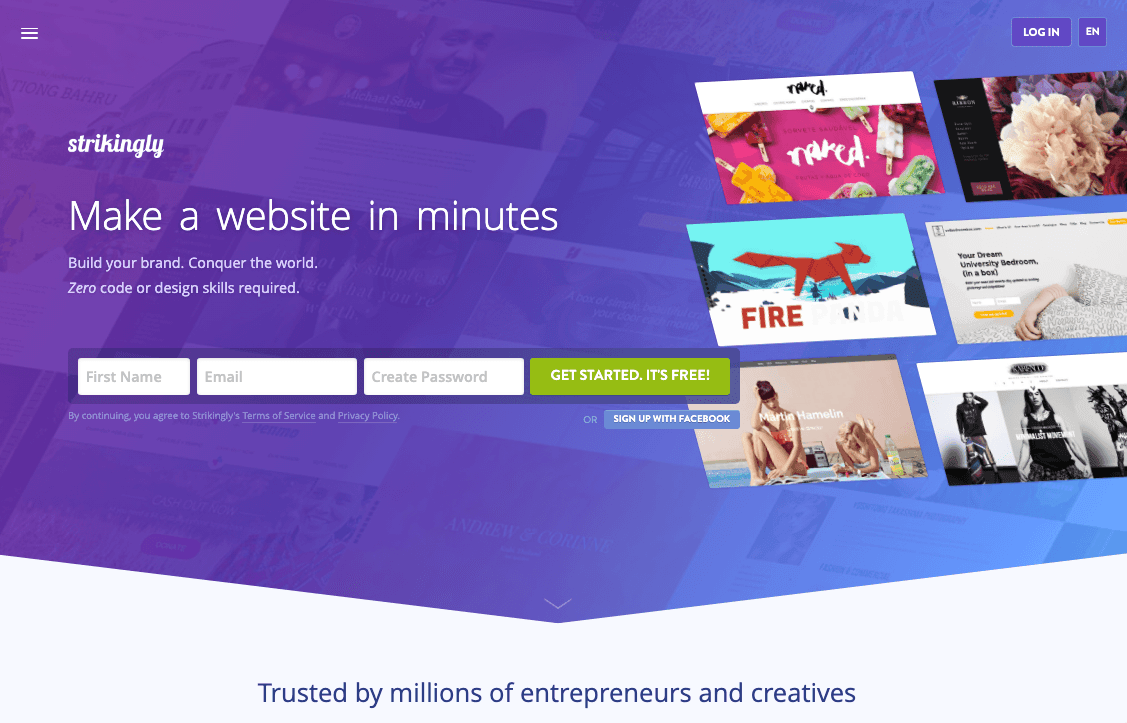
Strikingly Landing Page
Wrapping up your journey into website conversion testing is all about cultivating a mindset that never stops improving. When you consistently test different headline approaches, compare CTA placement variations, and evaluate form length changes, you create a cycle of ongoing growth. Measuring conversion changes accurately helps you understand what truly works and keeps your strategies sharp and effective.
Crafting a Continuous Testing Mindset
To succeed in website conversion testing, adopting a continuous mindset is essential. Think of it as always being curious about how small tweaks—like testing different headline approaches—can lead to big results. By regularly measuring conversion changes accurately, you'll stay ahead of the competition and keep your site optimized for success.
Combining Creativity with Data in Conversion Testing
Blending creativity with data makes your website more engaging and effective. Experimenting with different headline approaches sparks interest, while comparing CTA placement variations can boost user interaction. Evaluating form length changes thoughtfully allows you to find the perfect balance between simplicity and completeness, leading to higher conversions.
Embrace Strikingly for Seamless Optimization Success
Using Strikingly simplifies the entire process of website conversion testing by providing built-in tools to analyze visitor interactions and track performance metrics effortlessly. With Strikingly’s features, comparing CTA placement variations becomes straightforward, making it easier to implement data-driven improvements quickly. Embracing this platform ensures your optimization efforts are seamless and successful every step of the way.
