Boost Your Traffic with Proven Website Search Optimization Tips
Boost Your Traffic with Proven Website Search Optimization Tips

In today’s fast-paced digital world, your website’s search function can be a game-changer for attracting more visitors and keeping them engaged. Implementing smart strategies like improving internal search relevance can make a big difference in how users find what they need quickly and easily. When you focus on organizing search results by category and reducing irrelevant search matches, you make your site more user-friendly and increase the chances of turning visitors into loyal customers.
Effective website search optimization isn’t just about adding a search bar; it’s about making that feature work harder for you. Tracking common visitor search terms helps you understand what your audience is really looking for, allowing you to fine-tune the experience over time. With these simple yet powerful steps, your website can become a magnet for traffic, boosting visibility and conversions effortlessly.
Understanding Website Search Optimization

Getting your website to perform well in search isn’t just about ranking on Google. It’s about making sure visitors find exactly what they’re looking for quickly and easily through your internal search feature. Improving internal search relevance is a key part of website search optimization because it helps deliver relevant results, keeps visitors engaged, and encourages them to stay longer on your site.
When you focus on organizing search results by category, you make it easier for visitors to narrow down their options and discover what they need without frustration. Clear categories improve the overall user experience by reducing irrelevant search matches and guiding users toward the most relevant content. This way, effective website search optimization turns a confusing maze into a helpful pathway that boosts your site’s visibility.
Monitoring and tracking common visitor search terms is another crucial step in understanding how people interact with your site. By analyzing these search insights regularly, you can identify gaps or popular queries that need better relevance or categorization. This ongoing process of improving internal search relevance ensures your website stays user-friendly and competitive in attracting traffic.
Improving Internal Search Relevance
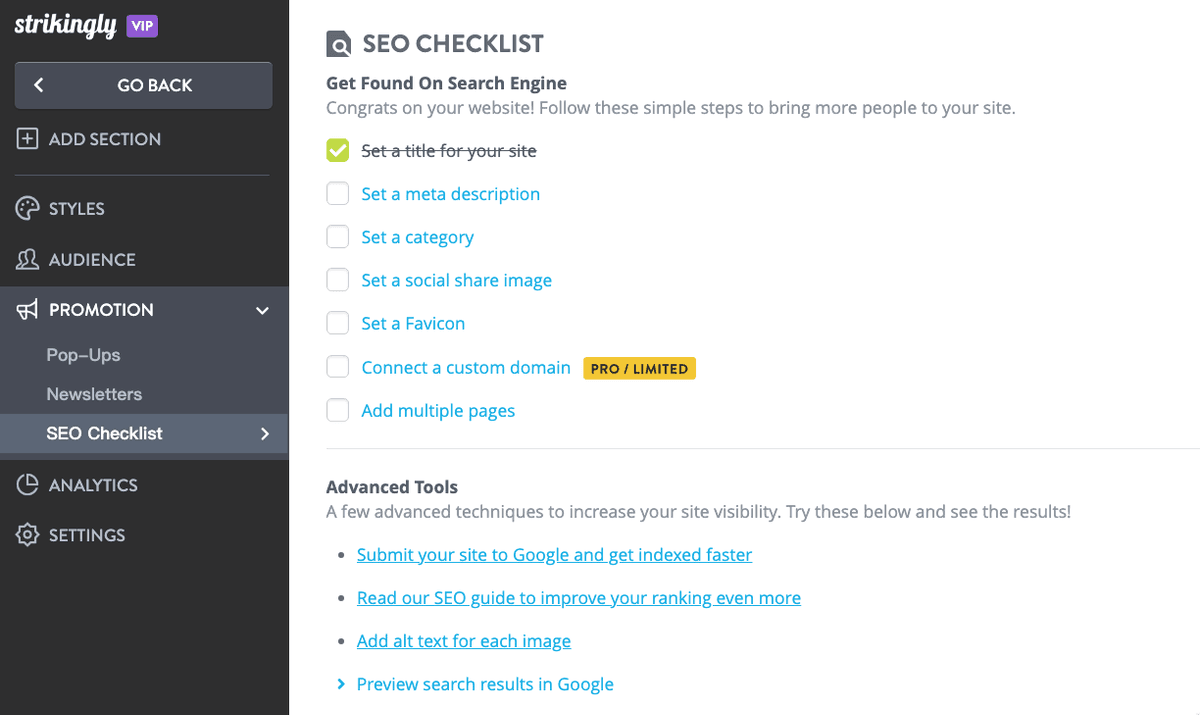
Strikingly SEO Checklist
Making your internal search smarter is a key step in boosting your website search optimization efforts. When visitors find what they need quickly and accurately, they stay longer and are more likely to convert into customers. To improve internal search relevance, start by analyzing what users are searching for and then refine your results to match their intent better.
One effective way to enhance website search optimization is by organizing search results by category. Clear categories help visitors navigate through the options easily and find exactly what they want without frustration. When you categorize results properly, it reduces irrelevant search matches and makes the entire experience smoother for users, which ultimately increases your site’s visibility.
Reducing irrelevant search matches is crucial in maintaining a high-quality user experience. Common reasons for irrelevant results include poorly optimized keywords or unorganized data that confuses the search algorithm. You can improve this by regularly monitoring search queries and tweaking your relevance settings, ensuring that only the most relevant results appear each time someone searches on your site.
Tracking common visitor search terms is another powerful tactic for improving internal search relevance. By understanding what users frequently look for, you can optimize your content and organize your data more effectively. This ongoing process of analyzing search data helps you identify gaps or trends, making it easier to adjust your website’s structure and content to better serve visitor needs.
Using tools like Strikingly Website Builder makes improving internal search relevance straightforward. These platforms often come with built-in features that help organize categories, filter out irrelevant matches, and track popular searches automatically. Leveraging such tools allows you to focus on creating a seamless browsing experience while enhancing overall website search optimization effortlessly.
Organizing Search Results by Category

When it comes to website search optimization, organizing search results by category is a game-changer. Clear categories help visitors quickly find what they’re looking for without sifting through irrelevant matches. This not only improves internal search relevance but also makes your site more user-friendly and efficient, encouraging visitors to stay longer and explore more.
Categorizing results to help visitors find what they want
One of the easiest ways to improve internal search relevance is by categorizing your search results effectively. When you organize products, blog posts, or services into clear groups, visitors can filter their searches based on what interests them most. Implementing organized search results reduces irrelevant search matches and guides users straight to the content they need, making their experience smoother and more satisfying.
Benefits of clear categories in search accuracy
Having well-defined categories enhances your website's overall visibility by improving how relevant your search matches are. When users see categorized results, they can quickly identify the most pertinent options without confusion or frustration. This approach directly supports website search optimization efforts because it minimizes irrelevant matches and boosts user satisfaction—leading to higher conversions and better engagement.
Easy ways to set up categories with popular platforms
Setting up categories might sound complicated, but many popular platforms offer simple tools for this task. For example, using Strikingly Website Builder or other easy-to-use platforms allows you to organize your content into logical groups effortlessly. By doing so, you improve internal search relevance instantly, helping visitors navigate your site like pros while reducing irrelevant search matches that could turn them away.
Remember: organizing your search results by category is a simple yet powerful step in boosting website search optimization efforts—making it easier for visitors to find exactly what they want while reducing irrelevant matches along the way!
Reducing Irrelevant Search Matches
Getting rid of irrelevant search results is a key part of improving internal search relevance on your website. When visitors find what they’re looking for quickly and accurately, they stay longer and are more likely to convert into customers. By focusing on reducing irrelevant search matches, you make your website’s search function smarter and more user-friendly.
Common reasons for irrelevant results
There are several reasons why your website search optimization might still produce irrelevant matches. Sometimes, the keywords used by visitors don’t match the way your content is organized or labeled, leading to confusing results. Other times, poorly structured data or lack of proper categorization can cause unrelated items to show up in searches, frustrating users and lowering overall relevance.
Strategies to filter out noise and improve precision
One effective way to improve internal search relevance is by organizing search results by category. Categorizing helps guide visitors directly to the content they want without sifting through unrelated options. Additionally, refining keyword matching by including synonyms or common misspellings can help filter out noise and ensure only relevant matches appear in the results.
Using tools like Strikingly Website Builder can also assist in improving internal search relevance by enabling easy setup of categories and filtering options. Regularly reviewing your site's data on visitor searches allows you to identify patterns that lead to irrelevant matches. Adjusting your keywords, categories, or filters based on this data will significantly enhance the accuracy of your site’s search results over time.
How to monitor and tweak search algorithms over time
Continuous monitoring is essential when it comes to reducing irrelevant search matches effectively. Tracking common visitor search terms reveals which queries yield poor results or unnecessary noise, giving you clues on what needs adjustment. By analyzing this data regularly, you can tweak your internal search algorithm—such as updating keywords or refining categories—to keep relevancy high.
Over time, tweaking these settings ensures that your website remains optimized for user intent and improves website search optimization overall. Don't forget that improving internal search relevance isn’t a one-and-done task; it requires ongoing attention and adjustments based on real visitor behavior insights—especially when tracking common visitor search terms helps reveal hidden opportunities for better organization.
By focusing on reducing irrelevant search matches through smart categorization and continuous monitoring, you'll make sure visitors find exactly what they need faster—and that's good news for conversions!
Tracking Common Visitor Search Terms
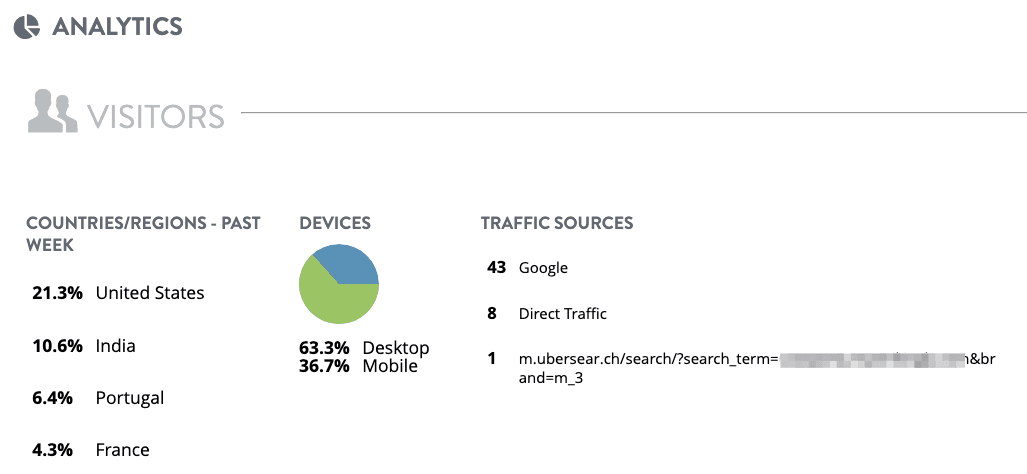
Strikingly Visitor Analytics
Understanding what visitors are searching for on your website is a goldmine for growth. When you track common visitor search terms, you gain valuable insights into their needs and preferences. This information helps you improve internal search relevance, organize search results by category more effectively, and reduce irrelevant search matches that can frustrate users. By paying attention to these search patterns, you can fine-tune your website search optimization strategies and create a smoother experience that turns visitors into loyal customers.
Why analyzing search data unlocks website growth
Analyzing search data is like having a direct conversation with your visitors about what they want most. When you understand the keywords and phrases they use, you can optimize your content and internal search features to meet those expectations better. Improving internal search relevance based on real user queries makes it easier for visitors to find exactly what they need, which boosts engagement and increases conversions. In the end, tracking common visitor search terms helps you identify gaps in your content or navigation that might be holding back your website’s potential.
Tools and methods for tracking search terms effectively
There are many tools available to help with tracking common visitor search terms efficiently. Platforms like Google Analytics or built-in analytics features in website builders such as Strikingly can show detailed data on what users are searching for inside your site. These tools allow you to monitor popular keywords, analyze trends over time, and identify irrelevant matches that need filtering out to improve overall user experience. Incorporating these insights into your website’s improvement process ensures that improving internal search relevance becomes an ongoing effort rather than a one-time fix.
Turning search insights into real conversions
Once you've gathered data on common visitor search terms, it’s time to put those insights into action by refining your site’s organization of results by category and reducing irrelevant matches. For example, if many visitors are searching for specific products or services but aren’t finding them easily due to poor categorization or inaccurate results, reorganizing categories will make a big difference in user satisfaction. Consistently monitoring these searches allows you to tweak algorithms or filters so that the most relevant results appear first—ultimately leading to increased sales or sign-ups because visitors find what they’re looking for faster.
The Power of Search Optimization for Your Business
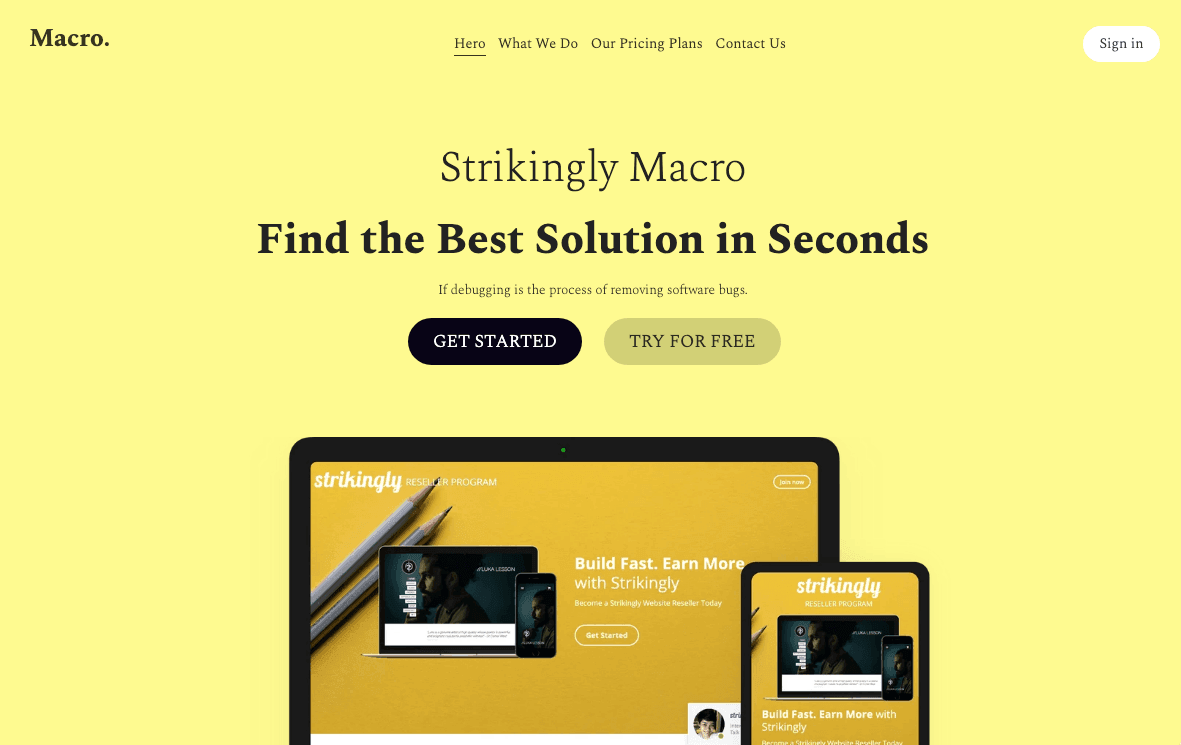
Macro Template from Strikingly
When you invest in website search optimization, you’re opening the door to more traffic and better engagement. Improving internal search relevance helps visitors find what they need faster, making their experience smoother and more enjoyable. When your search results are organized by category and irrelevant matches are reduced, visitors stay longer and are more likely to convert into customers.
Effective search optimization can turn casual browsers into loyal buyers. By tracking common visitor search terms, you gain insights into what your audience really wants, allowing you to refine your content and offerings. This continuous improvement makes your site more appealing and easier to navigate, which ultimately boosts your overall traffic.
Brands like Nike and Amazon have long understood that organizing search results by category and reducing irrelevant matches can make a huge difference. Their success stories show how a focus on improving internal search relevance leads to increased sales and customer satisfaction. Incorporating these strategies into your overall marketing plan ensures that every visitor has a seamless experience that encourages repeat visits.
Conclusion
Your website's search function is more than just a tool—it's a powerful way to boost engagement and conversions. By focusing on improving internal search relevance, organizing search results by category, and reducing irrelevant search matches, you can make your site easier and more enjoyable for visitors to navigate. Remember, tracking common visitor search terms gives you valuable insights that help refine your strategy and turn casual browsers into loyal customers.
Make Your Website Search Work Harder
Optimizing your website search is like giving it a turbo boost. When you invest in improving internal search relevance, visitors find what they need faster and with less frustration. This not only keeps them on your site longer but also increases the chances of turning searches into sales. So, don’t settle for a basic search—make it work harder by fine-tuning relevance and filtering out irrelevant matches.
How Strikingly Website Builder Simplifies Search Optimization
Strikingly Website Builder makes website search optimization simple and accessible for everyone. Its built-in tools help organize search results by category effortlessly, making it easier for visitors to find exactly what they want. Plus, with features that assist in reducing irrelevant search matches, you can create a seamless experience without needing advanced technical skills—saving time while boosting your site's performance.
Start Improving Your Internal Search Today
Don’t wait to start improving your internal search relevance today. Use analytics to track common visitor search terms so you can better understand what your audience is looking for. With these insights, you can tweak your organizing strategies and filter out noise to deliver more accurate results—making every visit count.
Remember, enhancing your website’s internal search isn’t just about adding features—it’s about creating an intuitive journey that encourages visitors to stay longer and engage more deeply with your content. Start today and watch how smarter website searches turn casual visitors into loyal customers!
